

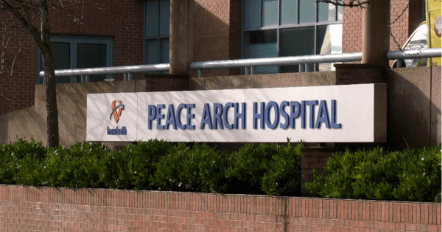
Near the Canada-U.S. border in White Rock, British Columbia, Peace Arch Hospital sits beside a border crossing that looks nothing like most people imagine. The grounds are open, grass-covered and park-like. Tourists stop for photos. People move through casually, often without realizing the risk-exposure of a typical international border. Most days, it feels like any other setting. But in an international place people can pass through so freely, ordinary can shift fast.
For RCMP Cst. Attila Szalay, protecting the public has always been at the centre of the job. Born and raised in Surrey, B.C., and the son of hard-working Hungarian immigrants, he was drawn to policing because it offered the chance to make a real difference in people’s lives, often on their hardest days.
Before joining the RCMP in 2016, he spent seven years with the Canada Border Services Agency (CBSA), building the kind of cross-border experience that would later prove critical in one of the most intense calls of his career.
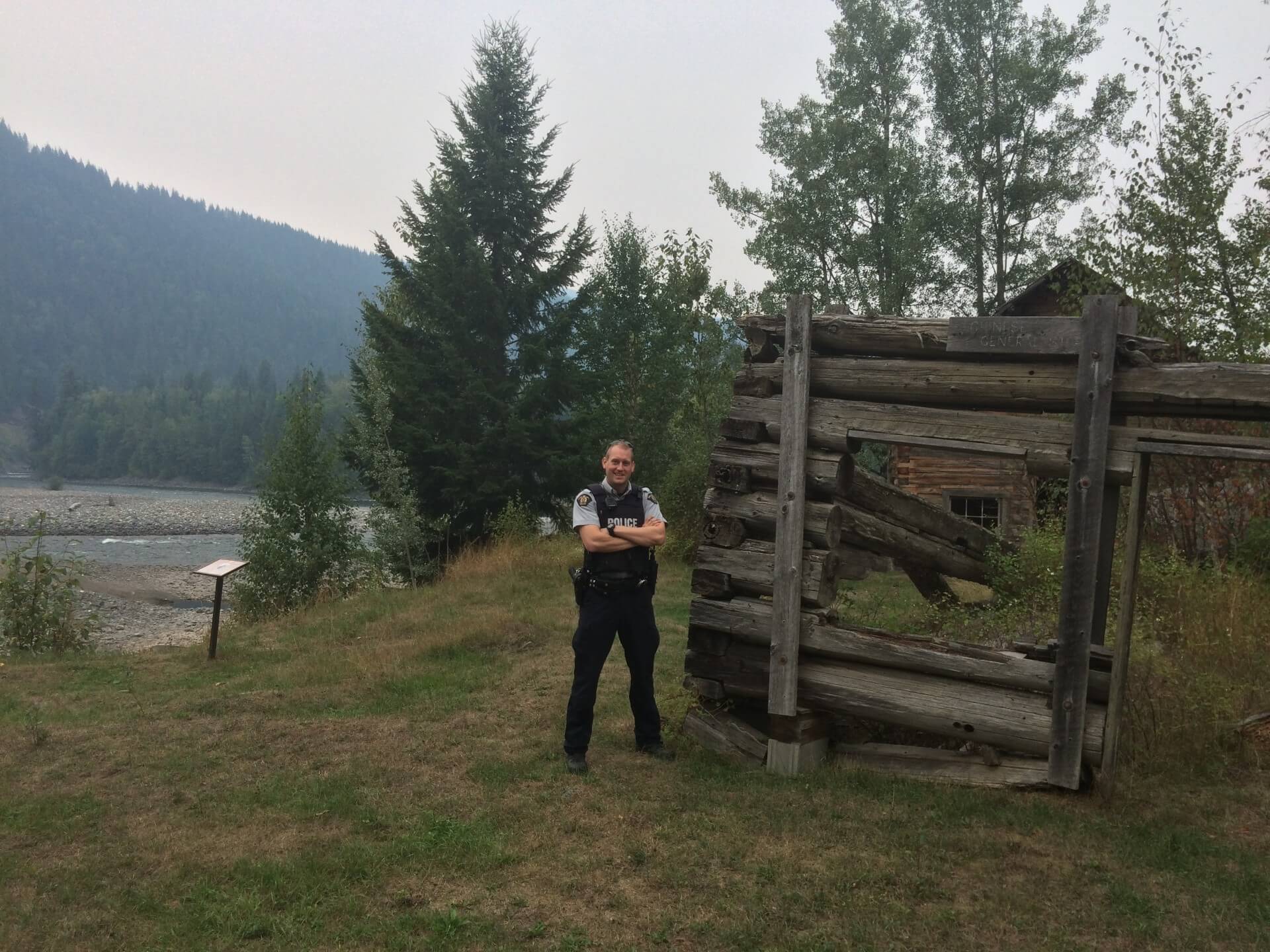
On January 28, 2019, what began as a routine call at Peace Arch Hospital quickly turned into high-risk police response Cst. Szalay will never forget.
A Familiar Face
A broadcast crackled over the radio: an abandoned stolen vehicle had been found near the border, tied to a homicide in Washington State. The suspect was considered armed and dangerous. Cst. Szalay typed the suspect’s name on his phone. The photo that appeared stopped him cold. He knew that face: he had seen the same man earlier that day, striding away from the Peace Arch Hospital parking lot.
With no time to waste, Cst. Szalay swept the area, hoping to spot the man. When the search turned up nothing, he raced back to the hospital planning to warn staff and help secure the building. Instead, he walked straight into a moment Members train for their entire careers, yet can never truly predict.
Sitting near the front door of the crowded emergency waiting room was the suspect.
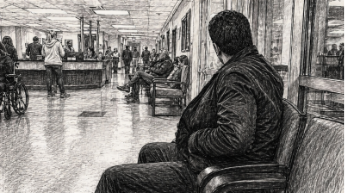
Cst. Szalay noticed something else. His hand was inside his jacket pocket.
Seconds to Decide
In that instant, years of training and experience took over. The risk was immediately clear. Cst. Szalay believed the suspect was reaching for a gun, and with innocent people all around them, the wrong move could have put hospital staff and patients at serious risk.
Though Cst. Szalay was only a few feet away from the suspect in this moment, he knew he could not safely apprehend the suspect amidst a waiting room full of unaware and innocent civilians. Instead, he stepped just outside the room, drew his firearm, called for backup, and kept careful watch while preparing to apprehend this dangerous suspect.
Running Toward the Threat
When backup arrived, the suspect realized he’d been spotted and ran.
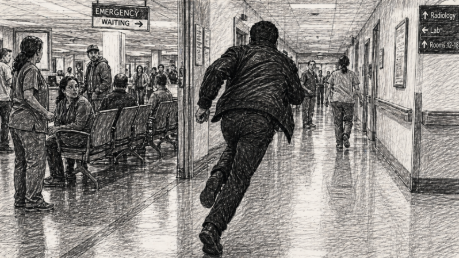
He fled through the hospital and into a narrow hallway lined with staff, patients, and other members of the public. Cst. Szalay pursued, knowing every second mattered. If the suspect made it deeper into the building, the risk to everyone inside would grow exponentially.
In moments like this, Members are asked to do what most people never will: move toward the threat, think clearly under pressure, and make split-second decisions with other people’s –lives – and their own – resting on the outcome.
Because of Cst. Szalay’s quick thinking and action, he and his colleagues apprehended the suspect in the hospital hallways without injury to the public, the suspect, or themselves.
But while the arrest brought the chase to an end, it didn’t bring the file to a close.
As Cst. Szalay explained: “I recognized that because the homicide had occurred in a different country, I could not arrest the suspect for it. I instead arrested him for illegally entering Canada.”
After the Arrest
What had started in the crowded halls of a hospital was now part of something much bigger. The suspect was tied to a homicide in another country, and Cst. Szalay recovered a loaded firearm
For Cst. Szalay, the investigative, cross-border aspect of this file was familiar and his experience with the CBSA became critical.
The homicide had taken place in the United States, which meant the arrest could not be handled like a typical domestic file. Even after the immediate threat had been contained, the situation still demanded legal knowledge, cross-border awareness, and careful next steps.
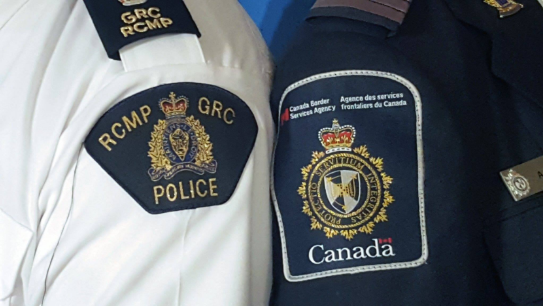
“The relationship between the RCMP and CBSA is extremely important not only in high profile cases like this, but on others as well,” he said. “We are always stronger as a unified force.”
That coordination carried the file beyond the arrest and to its conclusion.
“It was reassuring to learn that the suspect was deported from Canada, convicted of his offences, and justice was served in his home country without anyone else getting hurt because he was apprehended so quickly.”
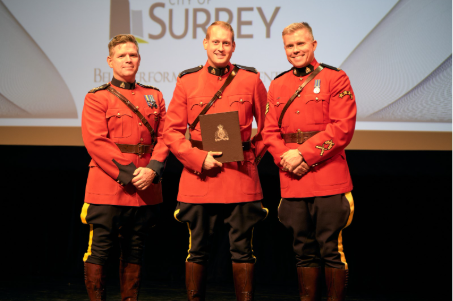
Cst. Szalay’s heroic actions that day were recognized with a much-deserved Officer in Charge Commendation, though for him, the focus remained on doing the job Canadians expect of their police officers.
The Courage Behind the Badge
What people often don’t see in stories like this is everything that happens inside the moment itself. The pressure, the uncertainty, and the weight of knowing that one decision made in seconds could carry lifelong consequences for everyone around you.
As Cst. Szalay put it: “Police officers face traumatic, stressful, and life-threatening situations every day, most of which the public will never hear about. During these intense situations, officers are forced to make split-second decisions based on their training and experience.”
That reality sits at the heart of policing. Members are asked to move toward danger, think clearly under pressure, and make rapid decisions in situations most people will never experience or fully understand.
For Cst. Szalay, courage in policing means “selflessly confronting overt danger in order to help others when most people would run away or do nothing.”
And when moments like this unfold, courage is not a choice left for later. It is what our Members action in real time.