

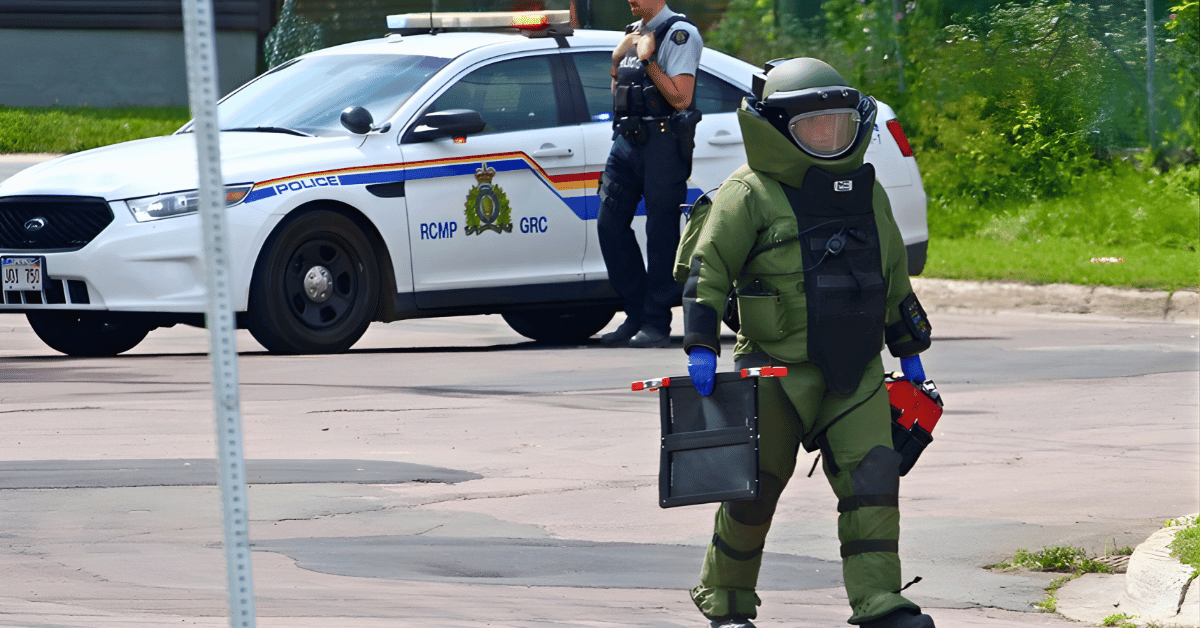
For 50 years, the RCMP’s Explosive Disposal Units (EDU) have responded to dangers most Canadians never see. This three-part series explores the people, philosophy, and evolution behind one of policing’s most exacting specializations.
Part 3 of 3 explores the leadership, judgment, and quiet confidence that define modern RCMP Explosive Disposal Units through the experiences of those shaping the discipline today and carrying it into its next half-century.
—
For Staff Sergeant Anne Alary, explosives disposal work often narrows to a single moment: when uncertainty tightens and someone has to decide what happens next.
EDU work, she explained, never exists in a vacuum. It intersects with other police units, partner agencies, and overlapping jurisdictions, often under time pressure and incomplete information. In those moments, clarity matters more than speed.
“At some point,” Anne said, “somebody needs to make a decision.”
Long before joining the RCMP in 2003, Anne learned how to perform under pressure as a high-level athlete. She played varsity hockey at the University of Ottawa, went on to compete in the National Women’s Hockey League, and carried that same discipline into policing.
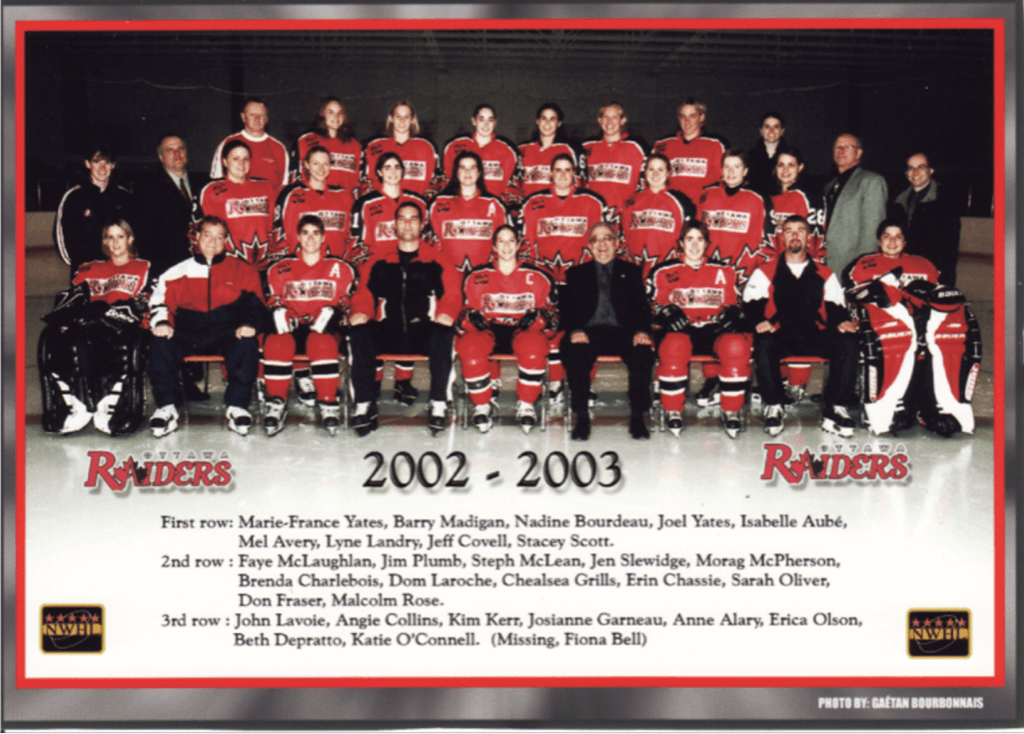
After graduating from Depot, Anne took on a wide range of postings that sharpened her skills—from rural policing in Assiniboia, to serving in Pelican Narrows in northern Saskatchewan, to her assignment with the Musical Ride, to providing protective duty on Parliament Hill, and finally to conducting surveillance with Special Operations.
A friend and colleague of Anne’s who worked in Chemical, Biological, Radiological, and Nuclear (CBRN) operations encouraged Anne to explore a career in EDU. Anne had the opportunity to job shadow and realized this specialization fit her like a glove.
“There’s no black and white in EDU,” she said. “The whole job is grey. You change one variable, everything changes. There’s no manual.”
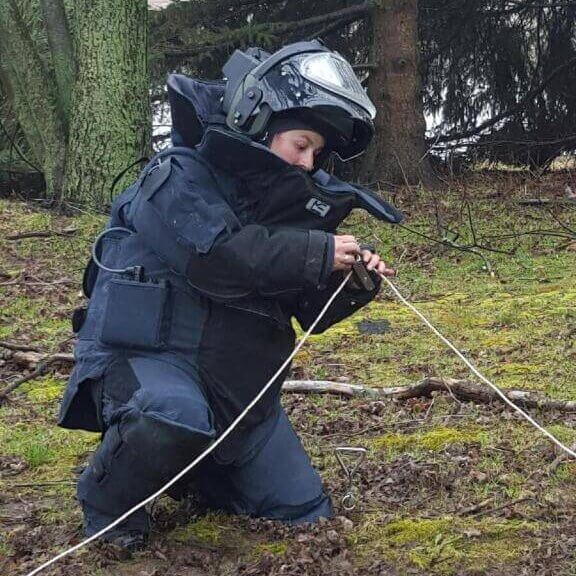
Today, Anne serves as the NCO i/c (Non-Commissioned Officer in Charge) of National Headquarters EDU and the Policy Centre in Ottawa. She is a trained bomb technician and specialized in explosive forced entry, working at the intersection of operations, policy, and national coordination.
“Some days,” she reflected, “it happens like that—and you have to be prepared to ask yourself, ‘What do I do now?’”
That emphasis on preparedness shaped her work as an instructor at the Canadian Police College, where she helped train future bomb technicians, focusing not just on procedures but on the mental discipline required when Members must rely on their judgment alone.
Anne is also one of relatively few women to have served in the RCMP’s Explosive Disposal Unit, a fact she has never positioned as defining. Within EDU, credibility is earned through performance, consistency, and trust. Her authority comes from experience, built over years of making decisions when the stakes were high and the answers were not always clear.
Her ongoing story reflects a quiet confidence not driven by visibility, but by judgment.
The Goal is Control
For Sergeant Peter Vail, explosives disposal is rarely decided at the moment a technician approaches a device. More often, the outcome is shaped well before that—through planning, assessment, and discipline developed over decades of experience.
Before entering municipal policing in New Brunswick in 1994, Peter served in the Canadian Forces Primary Reserve, where he gained early exposure to explosives. That background laid important groundwork, but it was a call several years later that sharpened his focus. In 1997, after responding to an incident involving a pipe bomb and observing the work of an explosives technician, Peter became increasingly drawn to the field.
In 2000, he was selected to attend the Canadian Police College bomb technician program, formally beginning his specialization. When he joined the RCMP in 2005, he continued that work, eventually becoming a key figure in the evolution of explosives disposal in the region.
At the time of this article, Peter has served for 12 years as the J Division Coordinator for the Provincial Explosive Disposal Unit. In that role, he has helped guide modernization efforts while maintaining continuity with the fundamentals passed down by earlier generations of technicians.
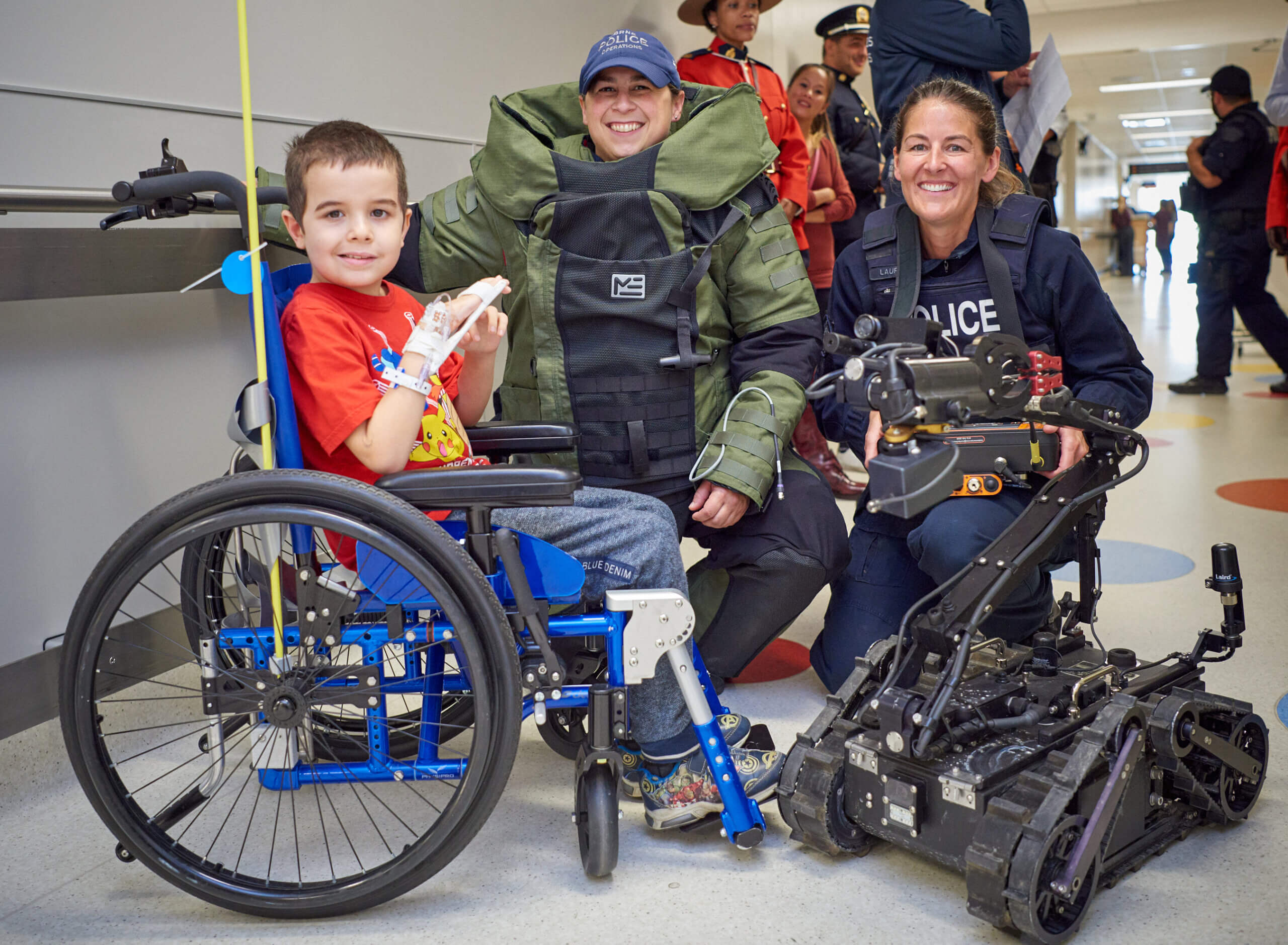
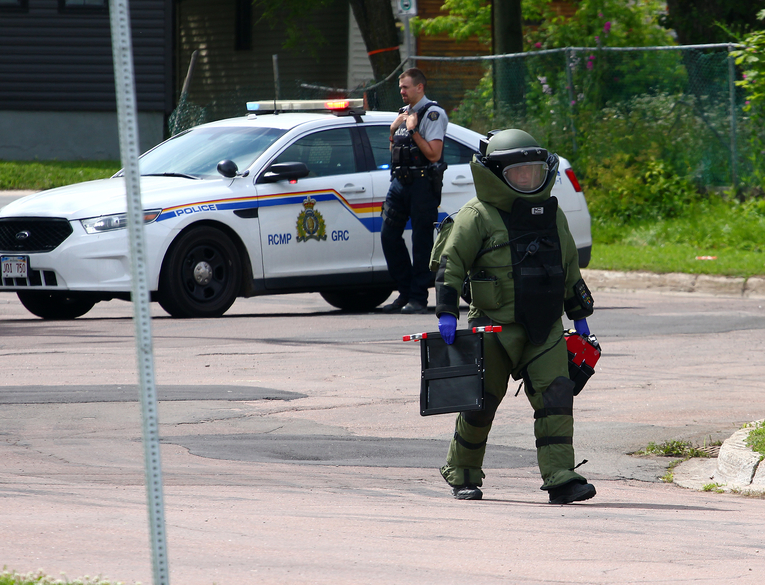
“We’re on the third or fourth generation of remotely operated vehicles,” Peter explained. He has witnessed a number of advancements over his 25 years of service. “We’re on our fourth generation of bomb suits, and we’re at least three generations in on technical equipment like X-ray equipment.”
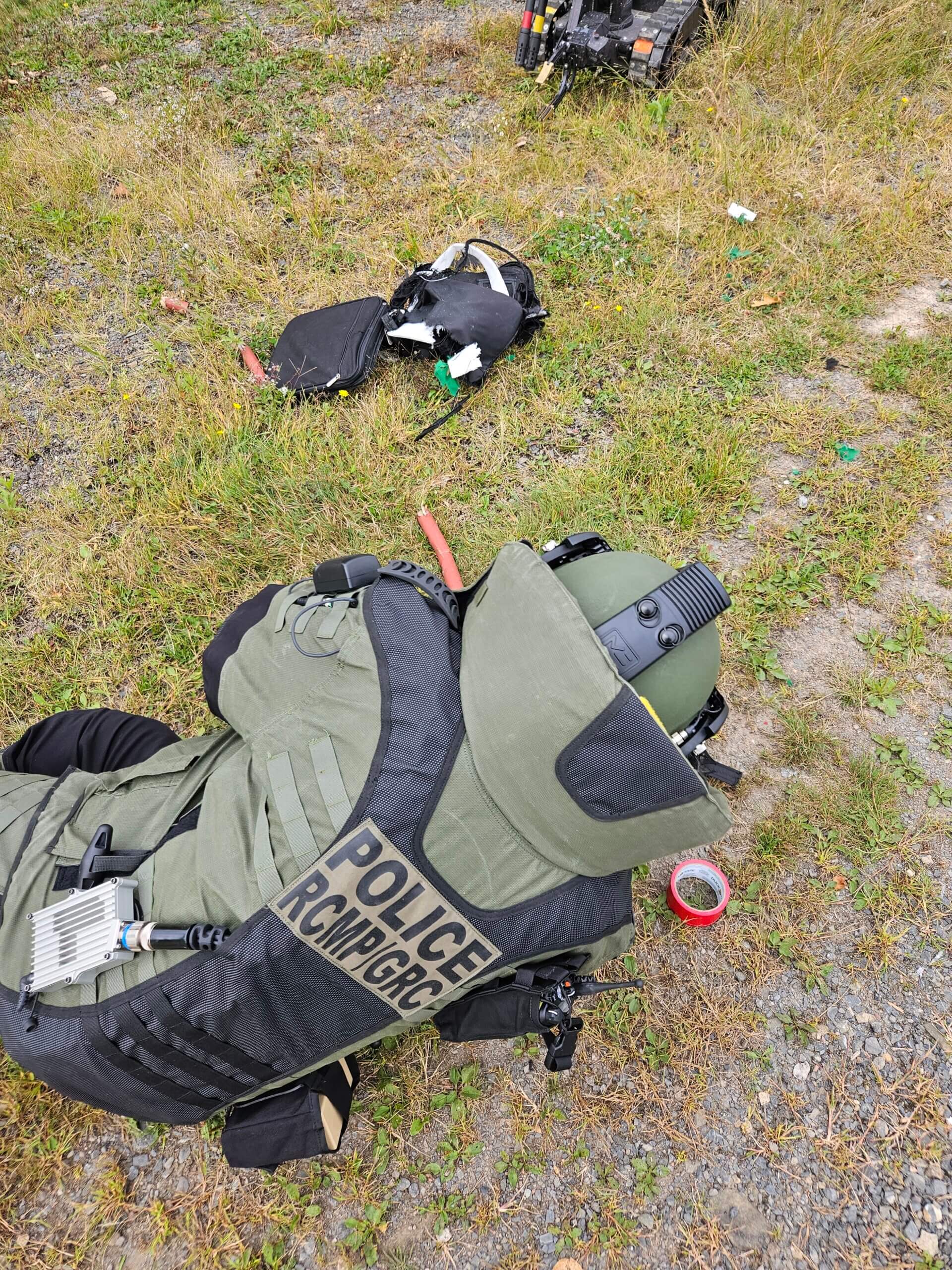
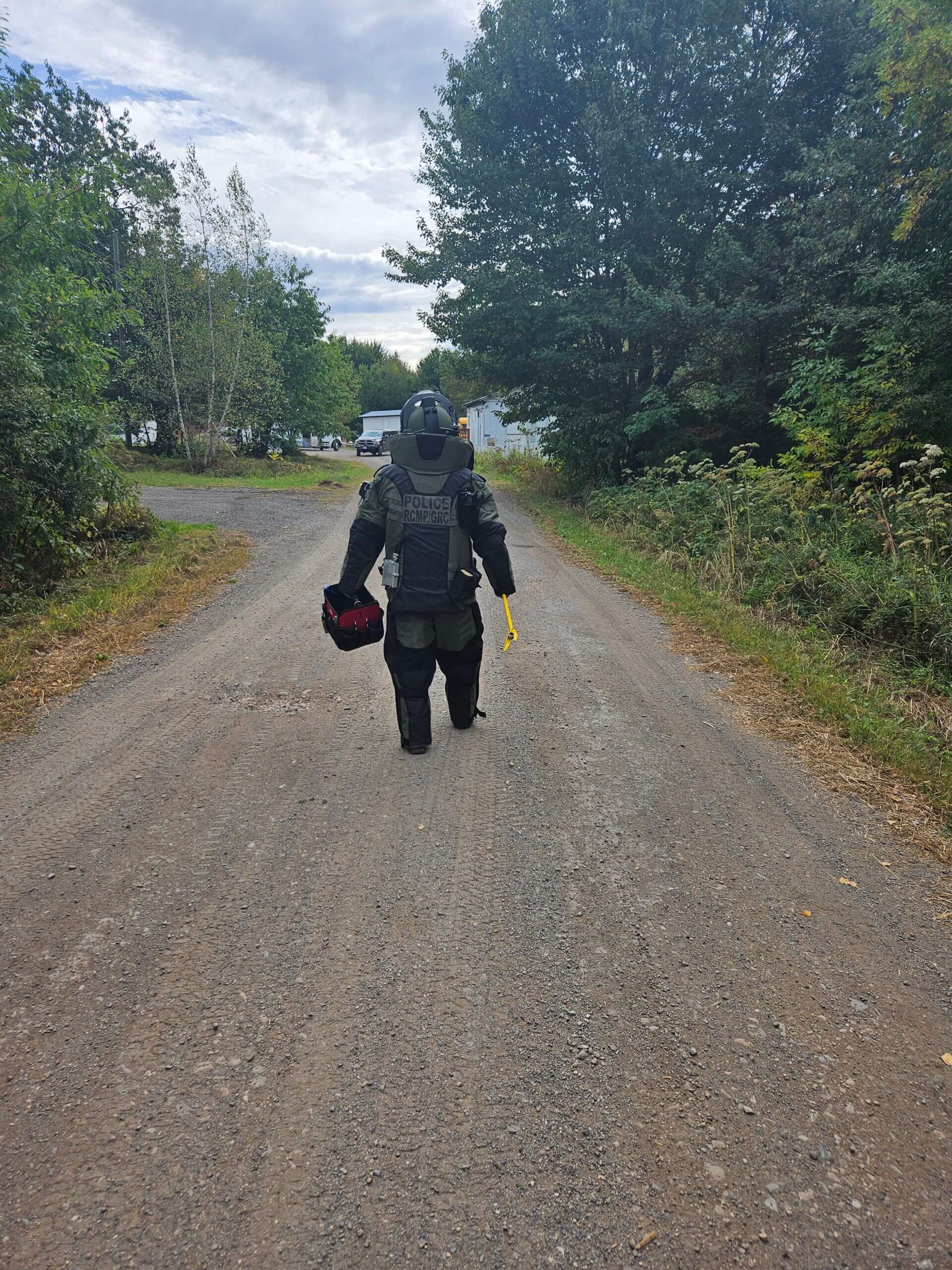
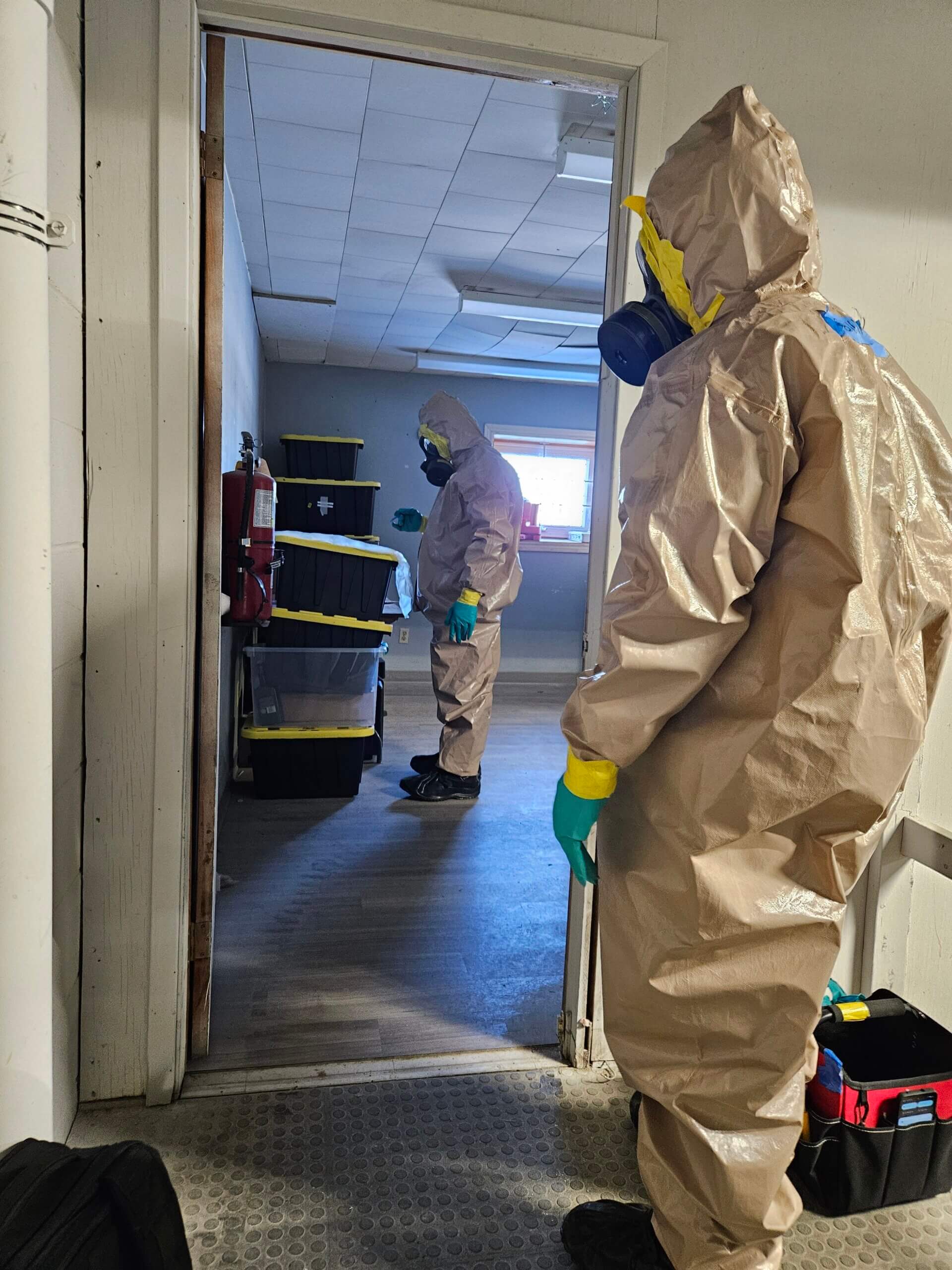
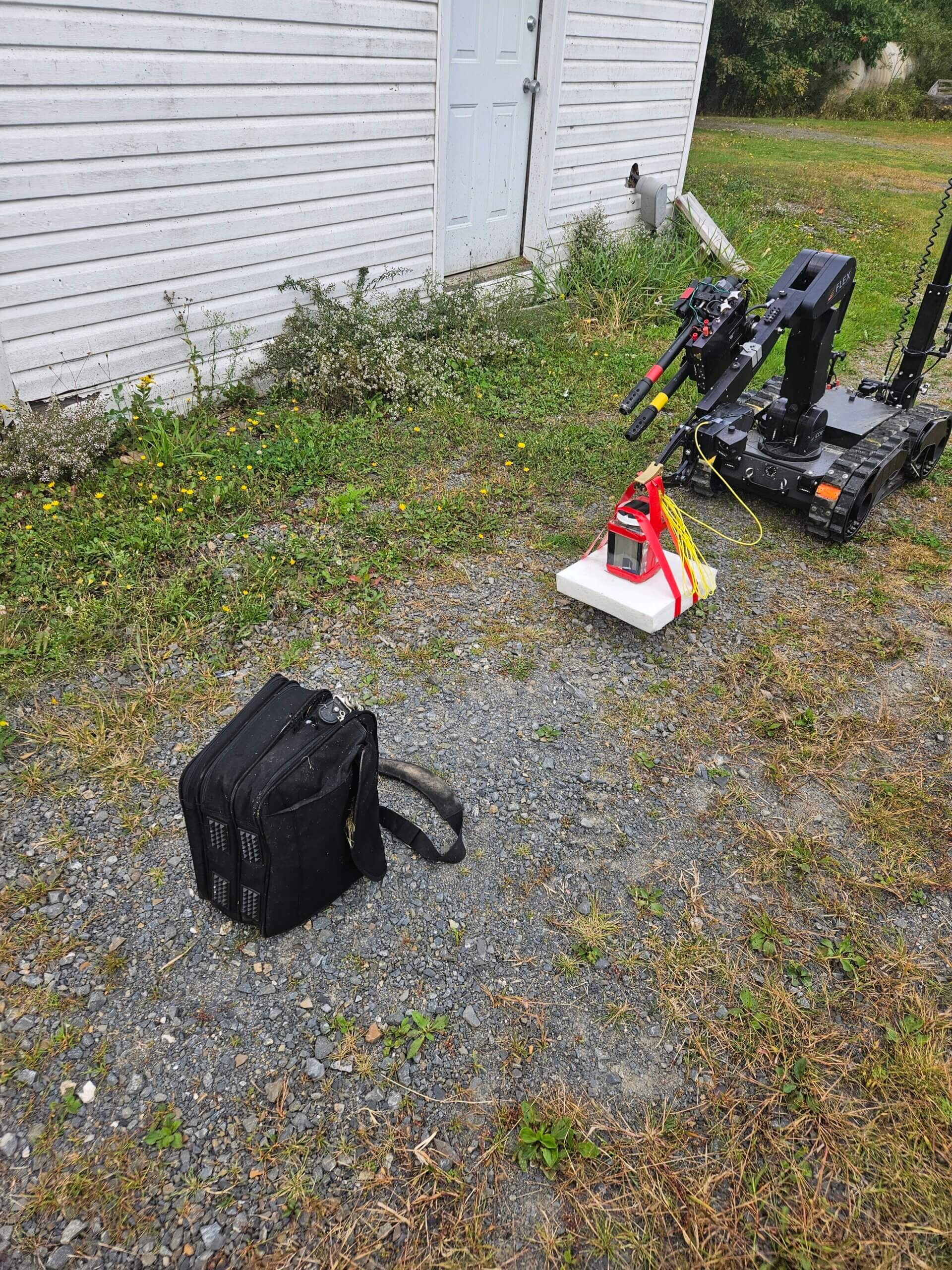
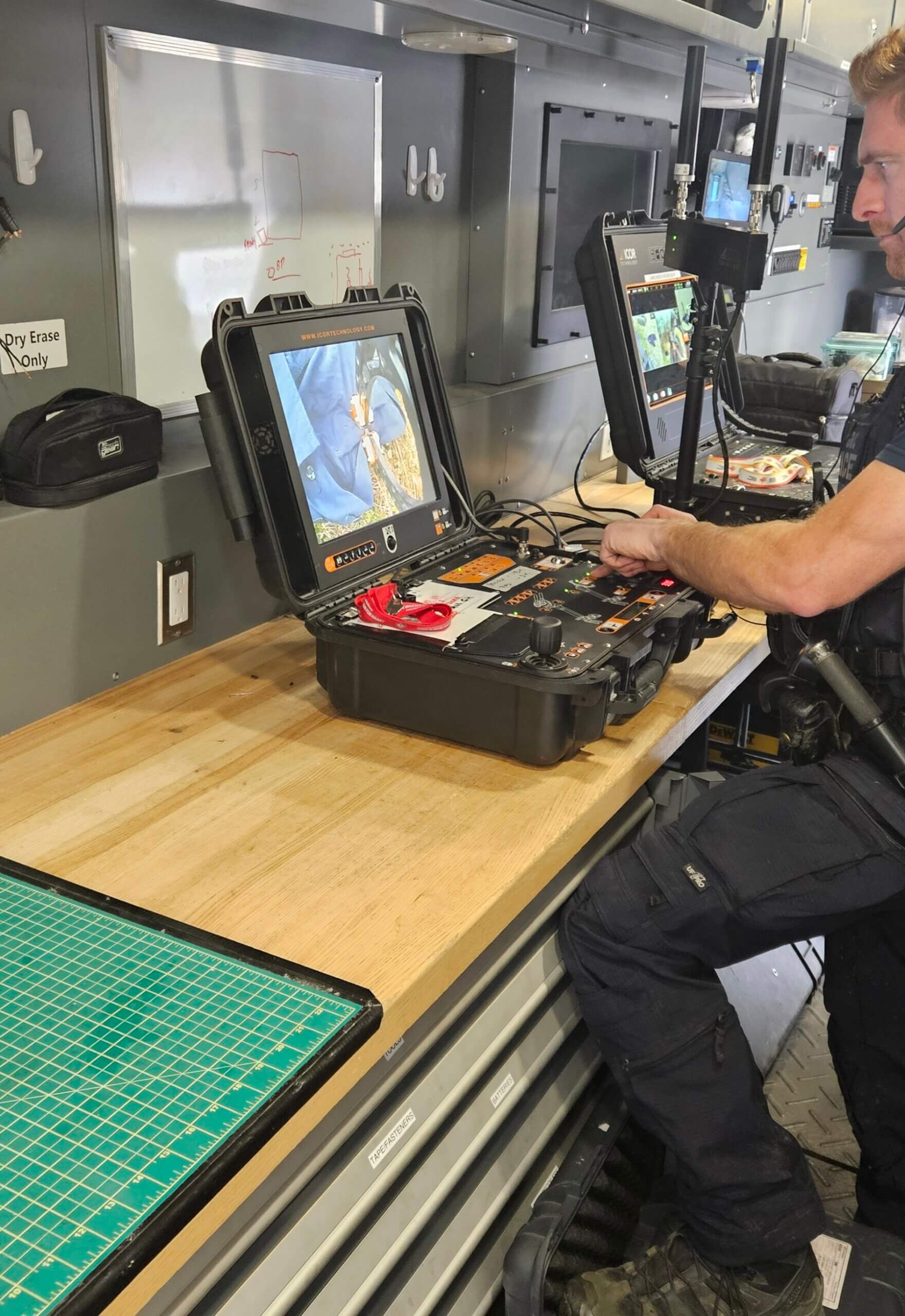
Those advances are not abstract to him; he remembers clearly what came before.
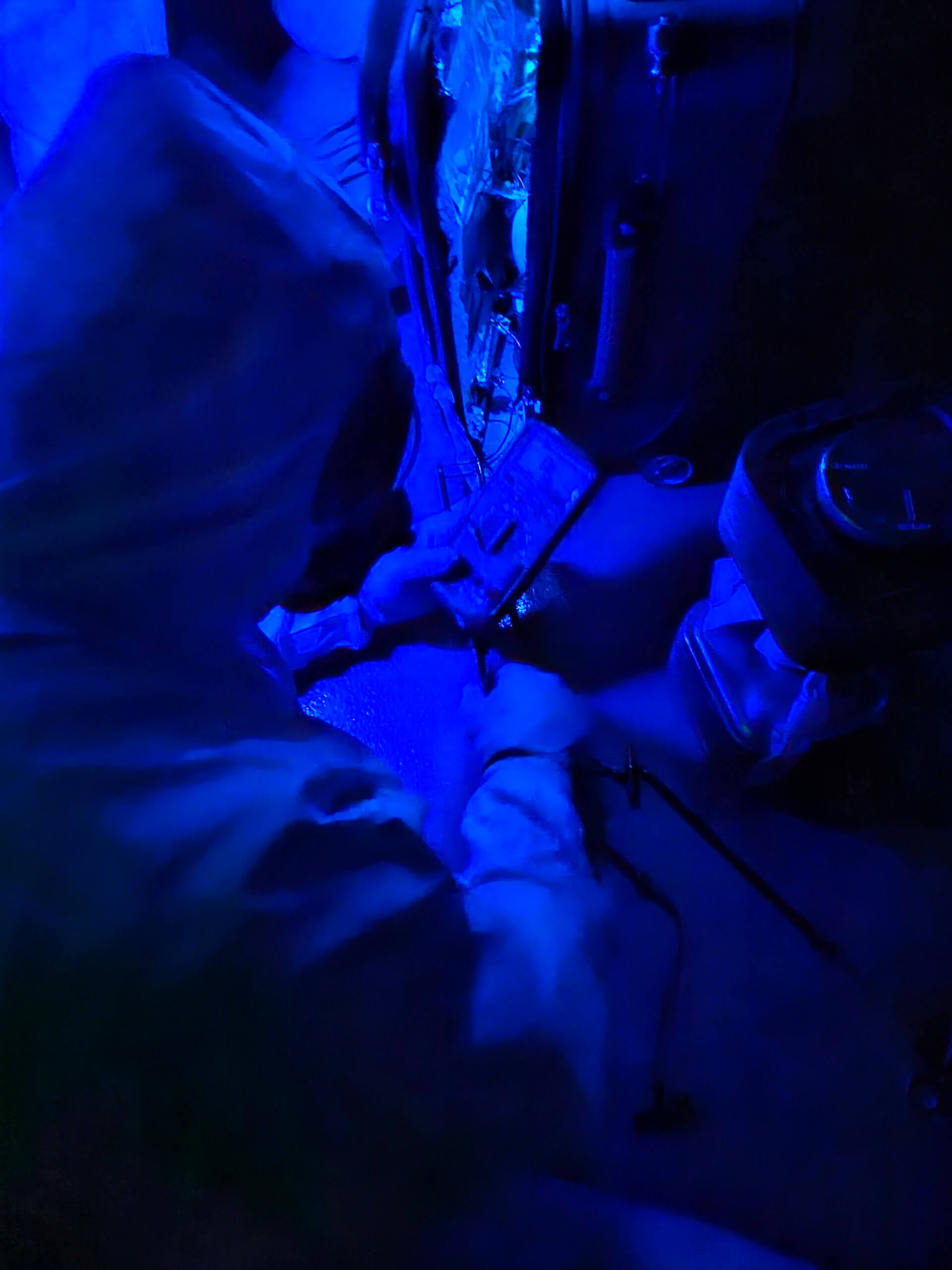
“The first robots were considered high tech at the time,” he said. “My counterpart in E Division likes to say they were a bit like a wheelchair that had been amped up, and I concur.” Operators had to remain perfectly still, making precise marks on a small screen to avoid losing alignment. Lighting was improvised. Disruptors were carefully positioned with limited visibility.
“When you were aiming a disruptor, we’d manually attach flashlights as extra lighting,” he recalled. “To see the feed, sometimes someone would stand outside twirling an antenna just to get the signal. And the bomb suits were heavy with limited visibility and ventilation.”
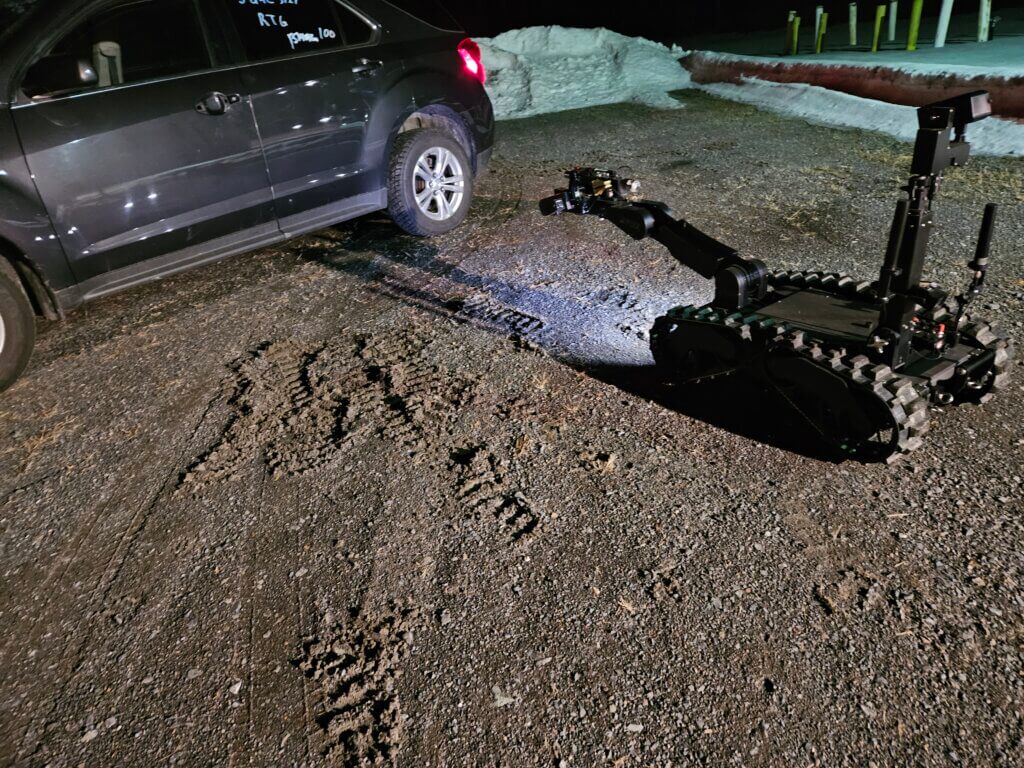
As tools and practices have evolved, so too has the nature of the work. Earlier in his career, Explosive Disposal Units were often called to rural properties where old dynamite surfaced during renovations or land clearing. Today, Peter sees a broader range of threats including criminal possession of explosives, improvised devices, and national security-related concerns.
Despite those changes, the underlying philosophy has remained constant.
“The goal is control,” he said. “Control the device. Control the scene. Control the risk.”
That emphasis on control is reflected in how success is measured. Many of Peter’s most important outcomes leave no visible trace. When an EDU operation is effective, there is no public moment to remember, no dramatic ending.
“That’s the win,” he said. “When nothing happens.”
Behind that quiet resolution is intense focus, layered decision-making, and trust built through shared experience. Peter sees himself as part of a continuum, benefiting from the lessons of retired Members who worked with heavier suits, limited technology, and fewer safeguards, and carrying a responsibility to pass that knowledge forward.
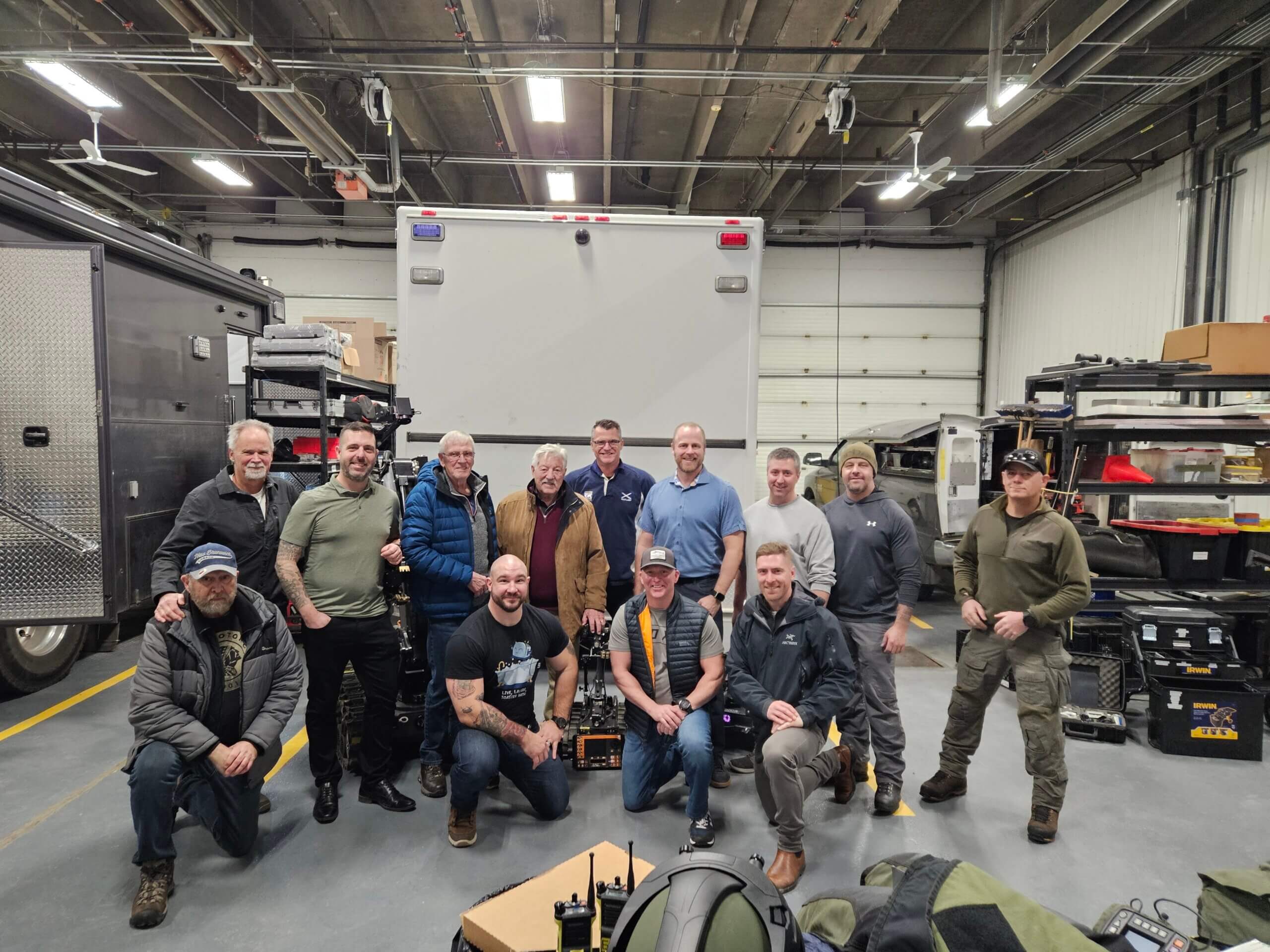
The equipment may be more advanced now, but the principle remains unchanged: patience over speed, control over force, and the understanding that in explosives disposal, the absence of catastrophe is the clearest measure of success.
The Next 50 Years
The threats are changing, the technology is advancing, and a new generation of technicians is preparing to take on a role that demands calm under pressure, analytical thinking, and near-impeccable teamwork.
What they inherit is not just equipment, it’s a culture built by the people who came before them. As EDU steps into its next half-century, it does so with a foundation built by extraordinary people who walked toward danger so others didn’t have to.
And that is a legacy worth honouring.
—
Our sincere gratitude goes to all EDU Members, past and present, whose courage and commitment have safeguarded Canadians for decades. We also thank everyone who followed this three‑part series and helped the National Police Federation mark the 50th anniversary of Explosive Disposal Units in the RCMP.