

The call was over, but, for police officers, it can be hard to let go of what happened after the shift ended.
They followed the procedure. They had done what they were trained to do. Still, weeks later, they couldn’t shake the feeling that something was wrong.
For some, this lingering distress may be a sign of moral injury – a psychological wound that can develop when a person experiences, witnesses or feels unable to prevent events that conflict with their deeply held values. To better understand the impact of moral injury, how it affects RCMP Members and other public safety personnel and what recovery can look like, the National Police Federation (NPF) spoke with Dr. Jonathan Wan, Medical Director, and Craig Extine, Manager of Clinical Operations, at Homewood Ravensview, part of NPF partner Homewood Health. The insights shared throughout this article are based on their clinical expertise and experience supporting first responders.
What is Moral Injury?
For RCMP Members and all public safety personnel, the hardest experiences aren’t always visible. The deepest wounds may come from moments that challenge a person’s moral compass – moments that leave them questioning themselves and their choices. This is what is known as moral injury.
While moral injury can overlap with PTSD, it is often rooted in experiences that conflict with a person’s values and their sense of right and wrong. Moral injury is the psychological distress that arises from experiences that violate a person’s core values or ethical judgment. These experiences may or may not meet the criteria for PTSD, but they can still have a lasting impact on how someone feels about themselves and their environment.
This concept gained recognition after the Vietnam War, where veterans were not responding to traditional PTSD treatments. Many experienced feelings of profound shame, hopelessness, and disconnection tied to morally distressing events rather than fear-based trauma.
Dr. Jonathan Wan, explains that “moral injury can help explain experiences people have carried in secret for years.”
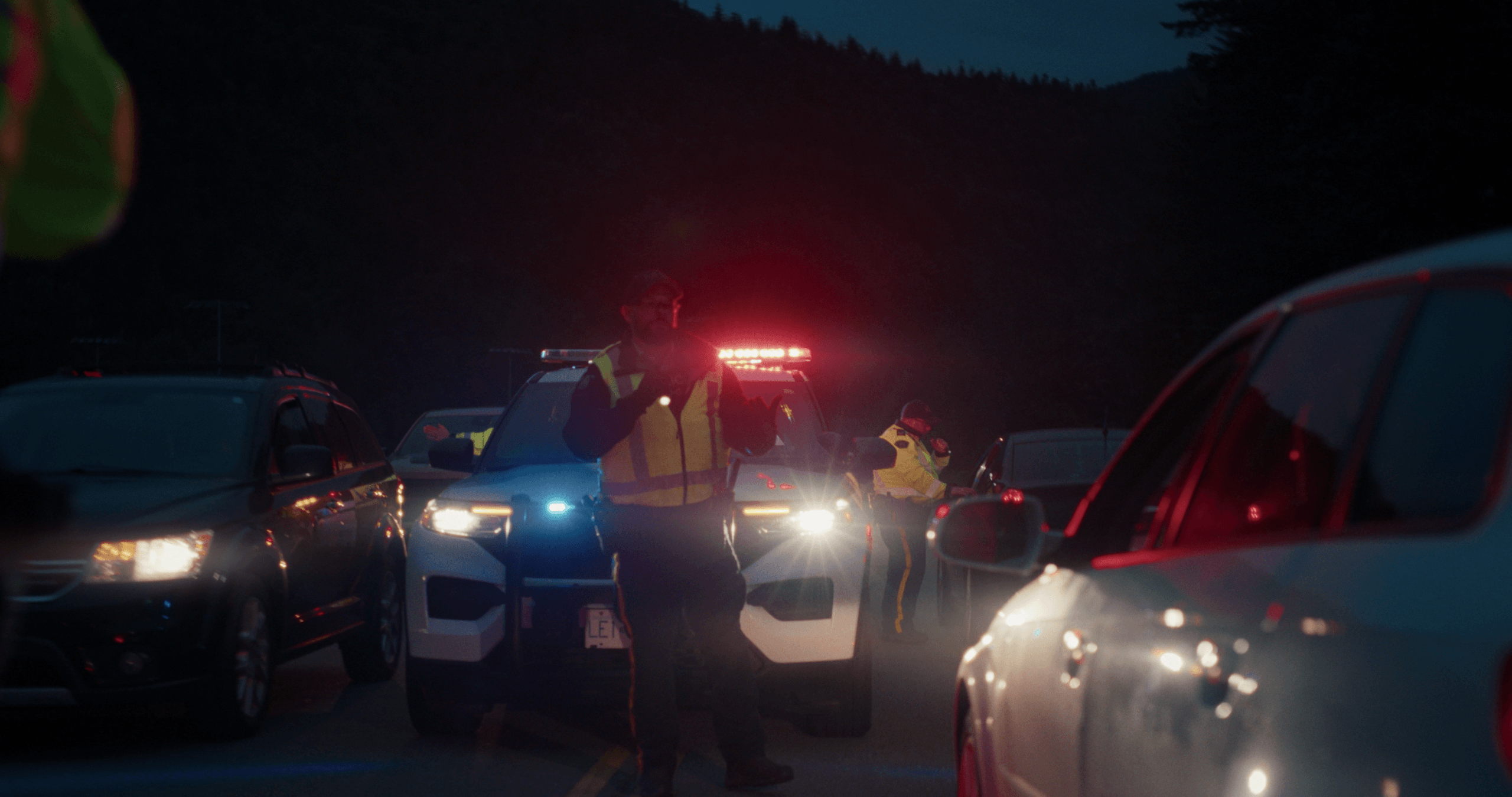
Moral Injury; A Sign of Morality
Moral injury can stem from different situations. It may involve the actions that someone took, actions they felt unable to take, or events that they witnessed. It can also arise when someone feels unsupported by colleagues, leaders, or an organization. For example, if a Member reaches out for support after a traumatic experience and doesn’t receive it, that feeling of abandonment or betrayal can feel deeply distressing.
Officers enter their professions with a strong sense of duty, justice, and responsibility. However, repeated exposure to morally complex situations can become increasingly difficult to carry. For those who have a sense of idealism and see situations in black and white, they may be especially vulnerable when faced with morally ambiguous experiences.
A person may understand that their actions were necessary and justified in a given situation, yet still feel deeply troubled by them. The distress comes from a perceived violation of personal values, which can lead to ongoing symptoms and emotional suffering.
Moral injury is not a sign of weakness. In fact, it reflects qualities that draw people to serve in public safety in the first place: having empathy, responsibilities, and a deep commitment to others.
“Moral injury is, in many ways, a sign of morality,” says Dr. Wan. “Therapy is not about sugar-coating what happened. It’s about moving from the belief that ‘I’m a bad person’ toward a more nuanced understanding of the experience.”
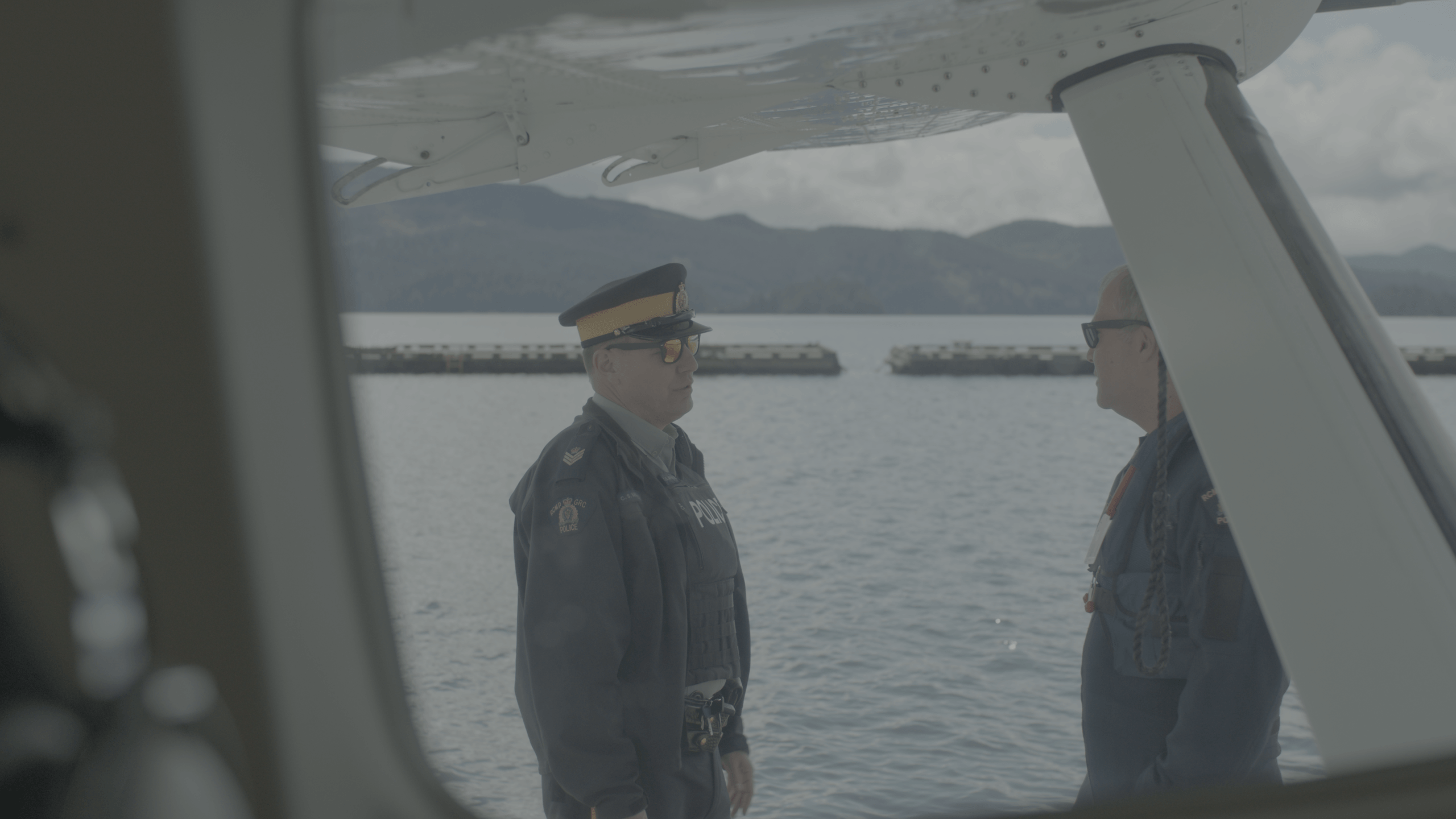
Barriers to Care and the Importance of Awareness
For many individuals navigating moral injury, one of the greatest barriers to healing is recognizing what they are dealing with in the first place.
There are many reasons why individuals may delay or avoid seeking help, including stigma, career concerns, and fear of judgment. However, one of the most fundamental barriers is a lack of awareness.
“If people don’t understand what they’re experiencing, they’re unlikely to seek treatment for it,” says Craig, “and they’re even less likely to consider in-patient treatment if they’re only looking at symptoms without understanding what’s causing them.”
Peer support plays a powerful role in overcoming these barriers. Many people who enter treatment do so after someone spoke openly about their own experience with moral injury and perhaps their subsequent treatment journey. These peer driven referrals often carry more weight than formal recommendations because they come from a place of shared understanding.
Encouraging individuals to seek help, reframing treatment as a sign of strength, and highlighting the real benefits of in-patient care are all critical steps in supporting the mental health of public safety personnel like RCMP officers.
“Many RCMP Members and former Members come to treatment because someone they trusted went through the process first and spoke honestly about how difficult – but helpful – it was,” says Extine.
While clinicians can provide resources and counselling, there’s something powerful about hearing from peers who truly understand the ins and outs of the profession.
“We can empathize and try to understand what someone went through, but peers who have lived it carry a different kind of credibility,” says Extine. “That support and recommendation speak volumes.”
If You Think You May Be Experiencing Moral Injury
Moral injury can leave lasting emotional effects, but support is available. If this article reflects your own experiences, consider reaching out to someone you trust, whether it is a colleague, a supervisor, a family member, or a mental health professional.
NPF Members have access to mental health resources through Homewood Health, including specialized care for first responders. If you’re interested in learning more about available supports or whether in-patient treatment may be appropriate for your situation, you can contact Homewood Health to discuss your options or visit our Member to Member page for information about available mental health resources.
Understanding moral injury can be a first step towards healing – and it is a reminder to our RCMP Members and other public safety personnel everywhere that they are not alone.
About the Experts
Dr. Jonathan Wan MD, FRCP(C) is the Medical Director at Homewood Ravensview. He completed his psychiatry residency in 2016 and is a Fellow of the Royal College of Physicians and Surgeons of Canada. His areas of interest include addiction psychiatry, personality disorders, and medical education.
Craig Extine, MA, RCC is the Manager of Clinical Operations at Homewood Ravensview. He is an experienced in-patient treatment therapist specializing in trauma, addiction, depression, anxiety, and PTSD treatment for military personnel and first responders.