

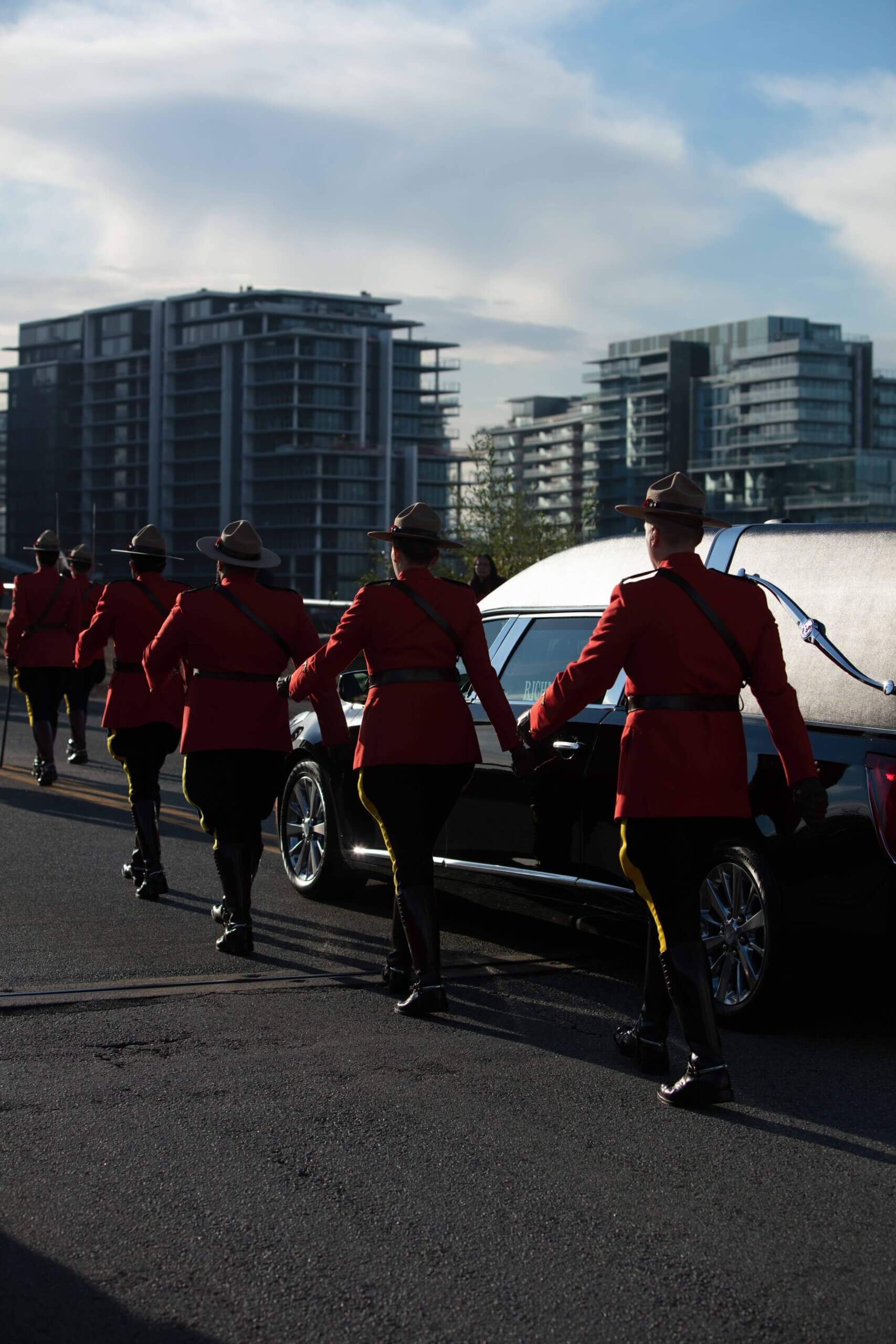
When police officers are murdered in the line of duty, the conversation should never begin or end with whether those deaths fall within a historical average. Yet that was the focus of a recent CBC article, reflecting a broader pattern of commentary that surfaces whenever an officer is killed. These types of stories and discussions are not new, but they must stop. If police deaths are reduced to statistics, we lose sight of the real impact on families, colleagues, and communities.
One officer killed in the line of duty is one too many.
Anytime the media attempts to frame these tragedies as being “within the normal range”, they are normalizing violence against police officers. Whether intentional or not, it can leave readers with the impression that these deaths are somehow less alarming because they are not statistically unusual.
That misses what matters most.
The officers killed in recent weeks were not data points. They were people. They had spouses waiting for them to come home, children who will now grow up without a parent, parents grieving the loss of a son or daughter, and colleagues once again reminded that every shift could be their last.
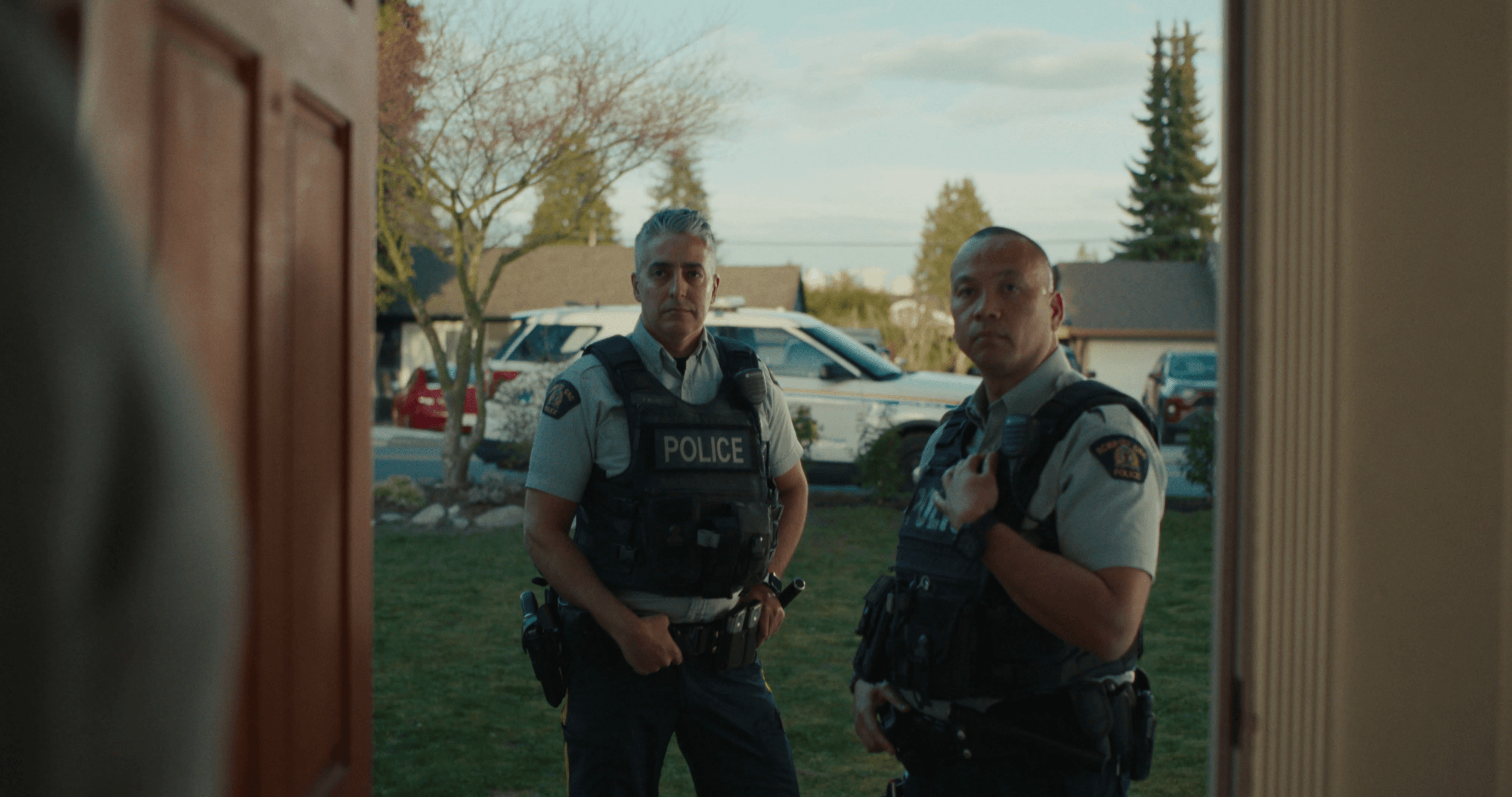
Every line-of-duty death sends shockwaves through the policing community and those who support them.
Yet that perspective can be missed in the national conversation.
Too often, coverage relies heavily on statistics and academic analysis while overlooking the voices of those who live this reality every day. Police officers, police services, and the organizations that represent them understand these tragedies in ways that cannot be measured on a graph.
They attend the funerals.
They support grieving families long after the salutes and condolences.
They return to work knowing the risks have not changed.
Without this perspective, Canadians are left with an incomplete picture.
There is also a broader question worth asking.
If several nurses, paramedics, or firefighters were killed while serving Canadians over the course of just a few weeks, would the conversation centre on whether those deaths remained within historical averages? Or would Canadians expect a discussion about why this happened, the impact on families and coworkers, and what more could be done to better protect those on the front lines?
Police officers deserve that same level of care and consideration.
Journalism has an important responsibility to provide context. But context should never come at the expense of humanity. It should never leave Canadians with the impression that violence against police officers is simply an expected occupational hazard to be tracked on a graph.
Police officers understand the risks of the profession. They spend untold hours training on techniques and equipment to mitigate those risks and still willingly accept that responsibility every time they put on the uniform and move toward danger to protect others.
What they should never have to accept is the idea that if they are killed, their death becomes less significant because similar tragedies have happened before.
Canadians should not accept police killings either.
Reporting on these incidents should include the voices of those who live this reality every day. It should recognize not only what happened, but what these losses mean to families, colleagues, communities, and to the Canadians those officers served.
Because behind every number – every uniform – is a life.
And that is where the conversation should always remain.