

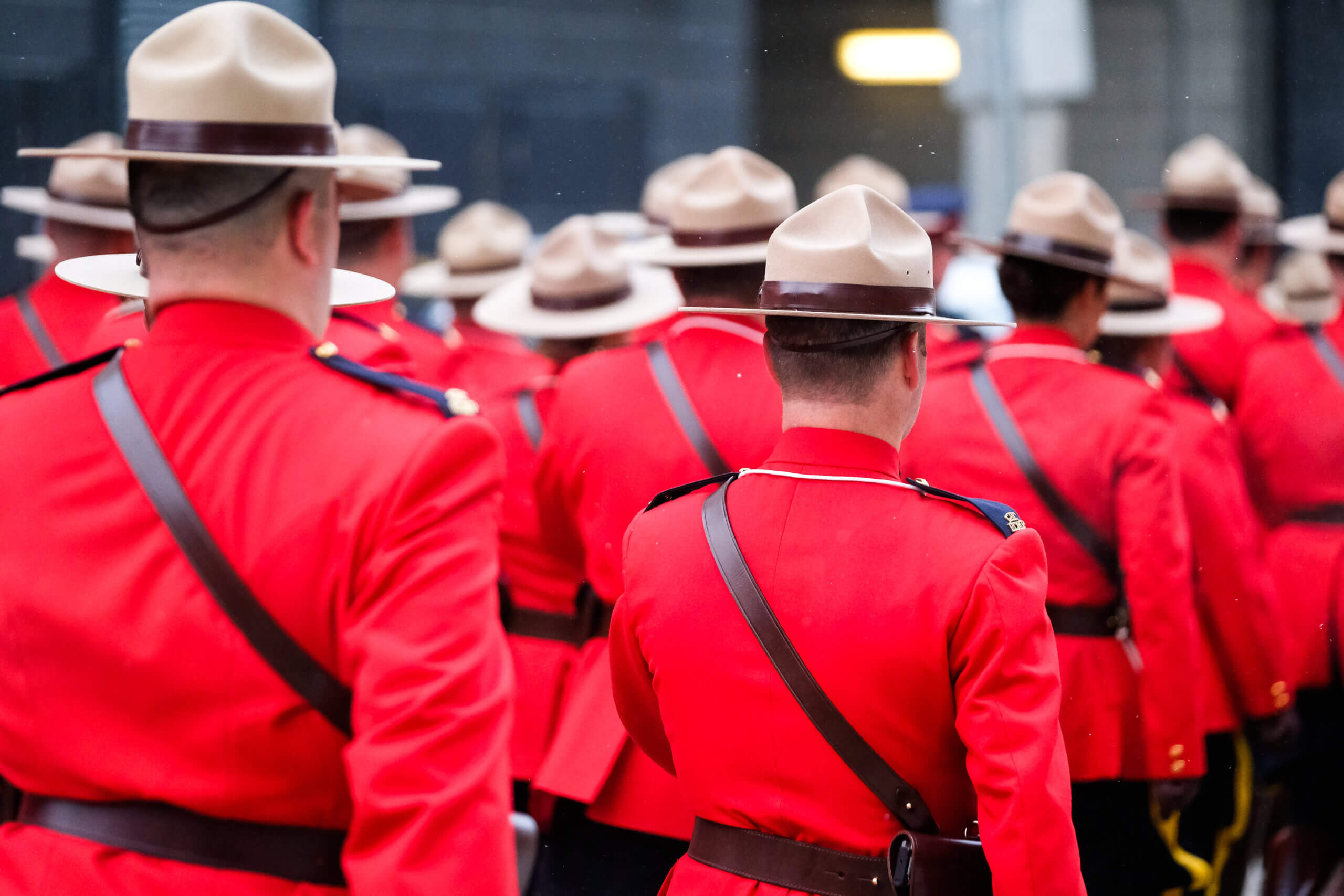
This Guest Blog to The Locker was shared by Derek Sienko, Chief Mental Health Officer, Diversified Rehabilitation Group, an approved service provider working with Members of the RCMP and other first responder services across Canada.
Returning to work after an occupational stress injury (OSI) or post-traumatic stress disorder (PTSD) is rarely straightforward. Officers (Members) often experience anxiety, uncertainty, and fear about meeting expectations, colleagues’ perceptions, and organizational changes that might have happened during their absence (CIPSRT, 2024). Concerns about stigma, confidentiality, and potential symptom relapse further increase stress (IWH, 2023), highlighting the need for reintegration processes that protect privacy while supporting well-being.
Gradual Reintegration
A gradual return-to-work (GRTW) is a best practice for safe and sustainable reintegration. Officers begin with modified duties or reduced hours, progressively resuming full responsibilities as confidence and readiness improve (WorkSafeBC, 2025). This phased approach allows ongoing monitoring, timely adjustments, and early intervention if challenges arise.
Collaborative Approach
Effective reintegration requires collaboration among Health Services, treatment providers, and the officer. Programs such as the RCMP National Reintegration Program, Disability Management, the Support for Operational Stress Injury (SOSI) program, and the Proactive Employee Health Support Unit (PEHSU) provide additional tailored support, helping officers rebuild confidence and manage stress (Diversified Rehabilitation, 2025; RCMP, 2025).
The Importance of a Written Plan
A detailed GRTW plan is essential. It should outline objectives, timelines, required supports, and stakeholder responsibilities. Written GRTW plans provide clarity, accountability, and a framework to address emerging challenges, reducing the risk of stalled progress or unsuccessful returns (CIPSRT, 2024).
Case Example
A member was off work for eight months due to an OSI, engaged in a structured GRTW following completion of a Traumatic Stress Recovery Program. A Diversified Rehabilitation Group clinician, Health Services Nurse, and Reintegration Coordinator collaborated to address the OSI concerns, including regaining confidence with firearm use. The Reintegration Coordinator actively accompanied the officer to the shooting range on two occasions, providing hands-on support and guidance, while the clinician addressed psychological responses through one-on-one sessions. This was followed by a five-week phased return, with weekly monitoring and tailored interventions, ensuring a successful and sustainable return to operational duties.
Support Networks
Supervisors, peers, and families play a critical role in reintegration. Flexible, understanding leadership, supportive colleagues, and engaged families reduce isolation, build confidence, and enhance recovery (IWH, 2023). Reintegration is a shared responsibility across personal, clinical, and organizational systems.
Conclusion
Returning to work after an OSI or PTSD is inherently stressful but achievable. A structured, collaborative GRTW plan, supported by clinical, organizational, and personal networks, enables officers to regain confidence, reconnect with their roles, and return to service safely and sustainably. Educating members on the process reduces stress, clarifies expectations, and ensures access to necessary supports.
References
- Canadian Institute for Public Safety Research and Treatment (CIPSRT). (2024). Supporting public safety personnel in recovery and reintegration. University of Regina.
- Diversified Rehabilitation. (2025). Collaborative reintegration support for members returning after OSI. Kelowna, BC.
- Institute for Work & Health (IWH). (2023). Workplace approaches to supporting return to work after mental health conditions. Toronto, ON.
- Royal Canadian Mounted Police (RCMP). (2025). National Reintegration Program: Supporting members in return to work. Ottawa, ON.
- WorkSafeBC. (2025). Best practices for gradual return-to-work after psychological injury. Vancouver, BC.