

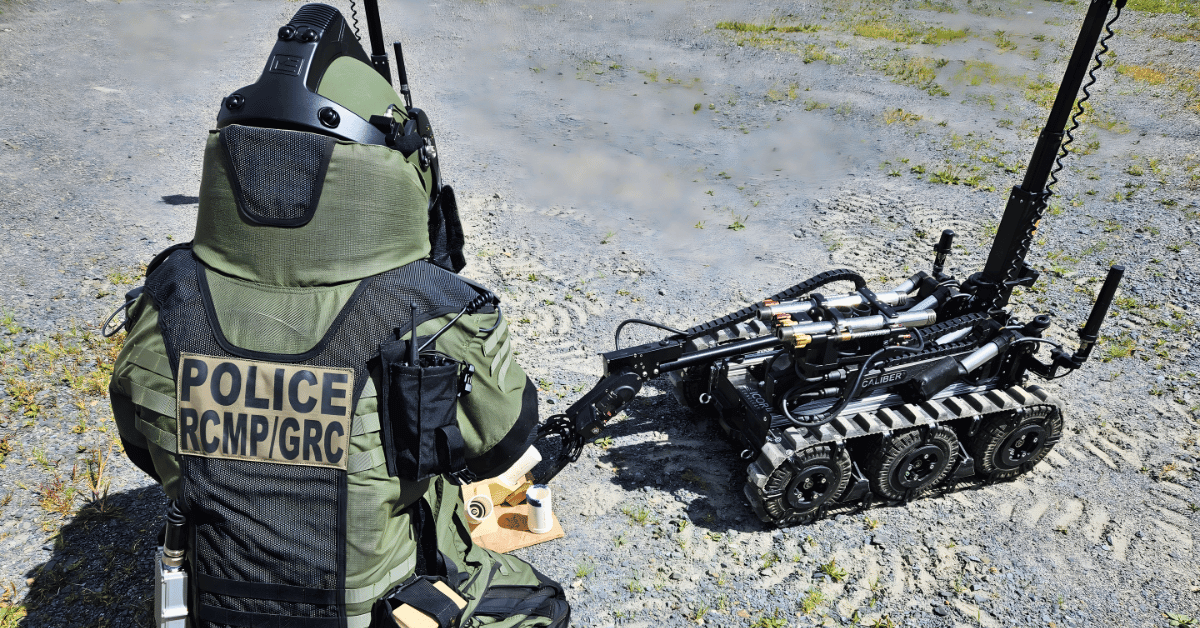
For 50 years, the RCMP’s Explosive Disposal Units (EDU) have responded to dangers most Canadians never see. This three-part series explores the people, philosophy, and evolution behind one of policing’s most exacting specializations.
Part 1 of 3 traces the origins of RCMP explosives disposal, from its early, close-quarters beginnings to the foundational training, culture, and discipline that still shape the work today.
—
Just after sunrise on a rural farm in 1970s Canada, two RCMP explosives technicians stepped through frost-locked grass toward a dilapidated building. Today’s call for service hadn’t come from a crime scene. It came from a landowner who discovered decades-old dynamite when clearing a crumbling barn.
What they carried reflected that era’s “high-tech” safety equipment: a heavy protective bomb suit, a portable shield, and long tools that offered only a few extra feet of distance from aging dynamite made more unstable by time.
In those early years, explosives disposal was close work. Safety depended on training, discipline, and the trust between Members standing only a few steps apart. If nothing happened, the outcome was invisible: no headlines, no explosions, just the quiet certainty that a risk had been removed and a family’s land made safe.
The RCMP’s Explosive Disposal Units (EDU) have responded to dangers most Canadians never see for the last half-century, their success marked by the absence of devastating disaster.
Origins: Building a Discipline
The RCMP’s Explosive Disposal Units formalized at slightly different times across Canada around the mid-1970s, as global threats evolved and police agencies began to recognize the need for specialized expertise. For example, the BC RCMP marks 1975 as the founding year of its Explosive Disposal Unit, a 50th anniversary milestone they recently commemorated. Elsewhere in the country, similar capabilities were developing in parallel.
Nationally, the RCMP relied heavily on the Canadian Forces during these formative years. Early bomb technicians trained at Canadian Forces Base Borden (CFB Borden), completing demanding military explosives courses originally designed for soldiers. The instruction was uncompromising, and the expectations were clear.
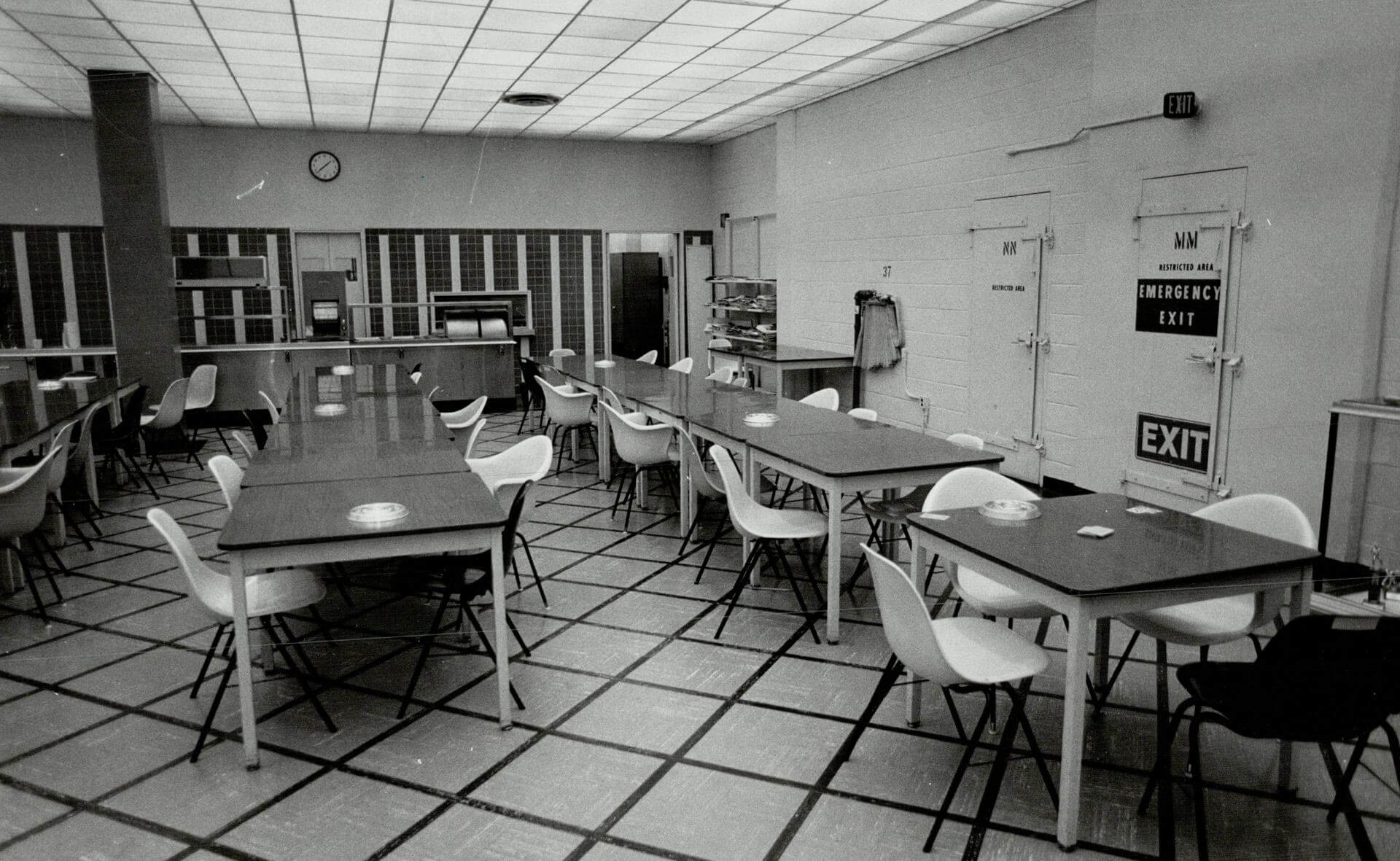
“They drilled patience into you,” recalled Sergeant Lev Jackman, Officer in Charge of New Brunswick’s (J Division) EDU from the late 1980s to his retirement in 2000. “You didn’t rush. You didn’t guess. You took your time because if you didn’t, somebody could die.”
When Lev joined the RCMP in 1967, explosives disposal was not yet a recognized specialization. After eight years with the RCMP, he was transferred to his Division’s Security System section in 1975, where bomb-threat planning formed part of his responsibilities. A year later, he was formally introduced to explosives disposal when a Special Constable trained in Explosive Ordnance Disposal arrived from the military to coordinate all EDU activity. At the time, responsibility for explosives response sat alongside federal building security and depended almost entirely on military expertise.
In 1978, Lev attended a six-week explosives course at CFB Borden, delivered entirely by military instructors. “It was a very intense course that tested the mind and body,” he said. “The instructors taught us the dangers associated with different types of explosives, including Improvised Explosive Devices (IEDs).”
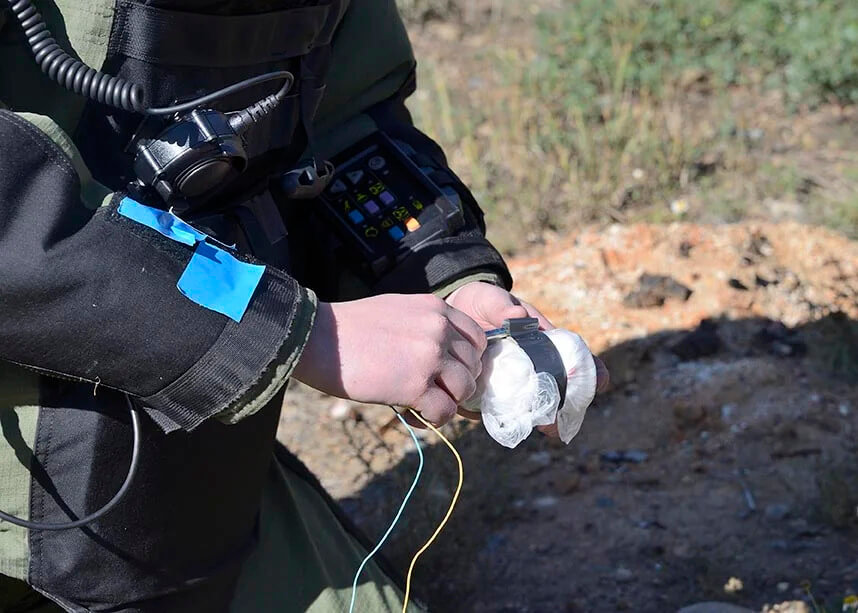
Over his years with EDU, Lev became the EDU Coordinator for all VIP visits and major events in New Brunswick, worked closely with the RCMP’s Emergency Response Team on files involving explosives, and led the safe disposal of abandoned explosives, ammo, chemicals, and criminally placed IEDs.
Looking back, he notes how distant that working reality now feels. There were no robots and no remote tools. Bomb suits were heavy and restrictive. Equipment was basic, and proximity to danger was unavoidable.
Much of the work during those early years focused on prevention rather than response. Members assisted with bomb-threat planning, assessed federal buildings, and worked behind the scenes to reduce risk before incidents ever occurred. Many calls resembled the opening scene of this article—unstable explosives discovered during renovations or land clearing.
What emerged during this period was not a unified national unit, but a discipline built incrementally, region by region, by Members willing to step into a role with no clear roadmap.
The history of RCMP Explosive Disposal Units is best understood not through equipment lists or organizational charts, but through the people who carried its responsibility. They did so quietly, often without recognition, and always with the knowledge that there was no margin for error.
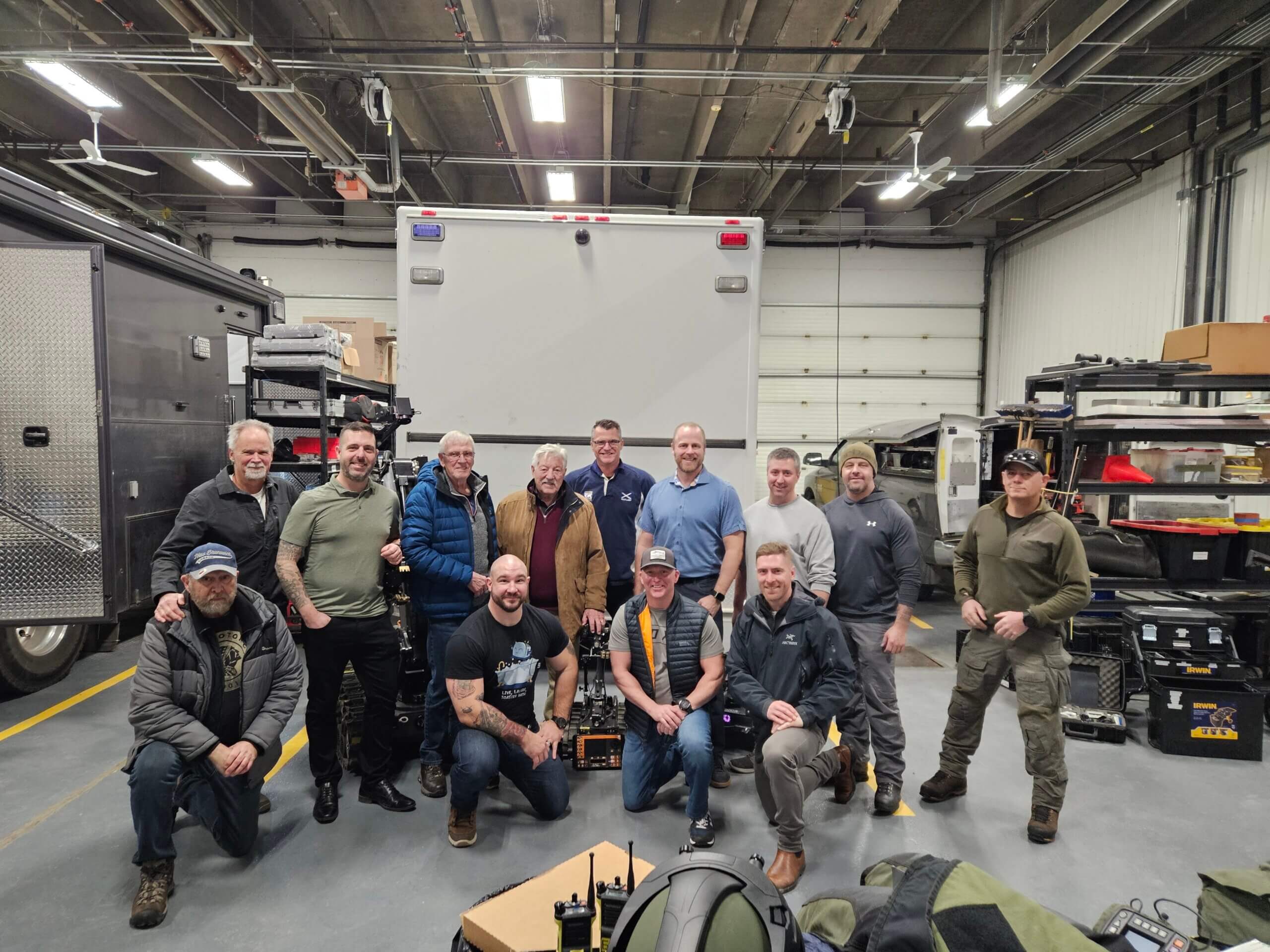
Bomb School Changed How You Thought About Everything
By the early 1980s, explosives training had moved to the Canadian Police College (CPC), marking a turning point: the RCMP was defining explosives disposal as a policing discipline shaped by operational realities.
It was into this evolving environment that Special Constable Yves Pelletier would eventually step.
Yves had long hoped to join the RCMP but was turned away as a teenager. Determined to serve, he joined the military at just 16 in 1963. His early career placed him at pivotal moments in history, including deployment to Egypt during the Six-Day War in 1967, just days before hostilities broke out. He even recalls driving through machine-gun fire to retrieve critical documents for the United Nations.

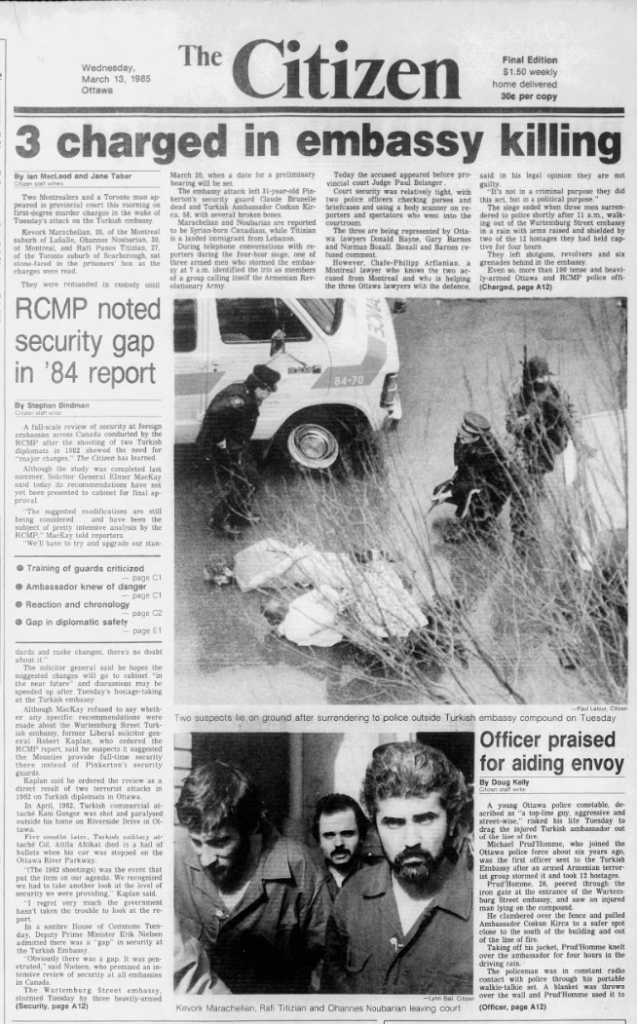
The RCMP’s Canadian Bomb Data Centre (CBDC) had been established in Ottawa in the late 1960s and early 1970s to collect data, provide training, and share intelligence internationally on illegal explosives and post-blast investigations. Its role became even more urgent in 1985, when agents of the Armenian Revolutionary Army attacked the Turkish Embassy in Ottawa, killing a security guard and using a homemade bomb to breach the building. In the aftermath, and to prevent future tragedies, the CBDC created 26 Special Constable positions, drawing from former and serving members of the military and various police services.
Yves was among those selected, well-qualified through his career as an Ammunition Technical Officer trained in the United Kingdom and his degree in Explosives Engineering. Sworn in with the RCMP, he also became a guest instructor at the CPC, teaching courses on booby traps and explosives recognition.
His work extended internationally. Yves travelled to Europe four times to exchange or obtain explosives from British, Israeli, French, and Swiss counterparts. He even obtained SEMTEX A (used in construction/mining) and SEMTEX H (used in military applications) directly from the factory in Semtín, Czechoslovakia, on the order of the Inspector of the Canine Training Unit. Yves distributed the SEMTEX samples and trained dog handlers across the country, enabling canine units to safely identify and handle these substances.
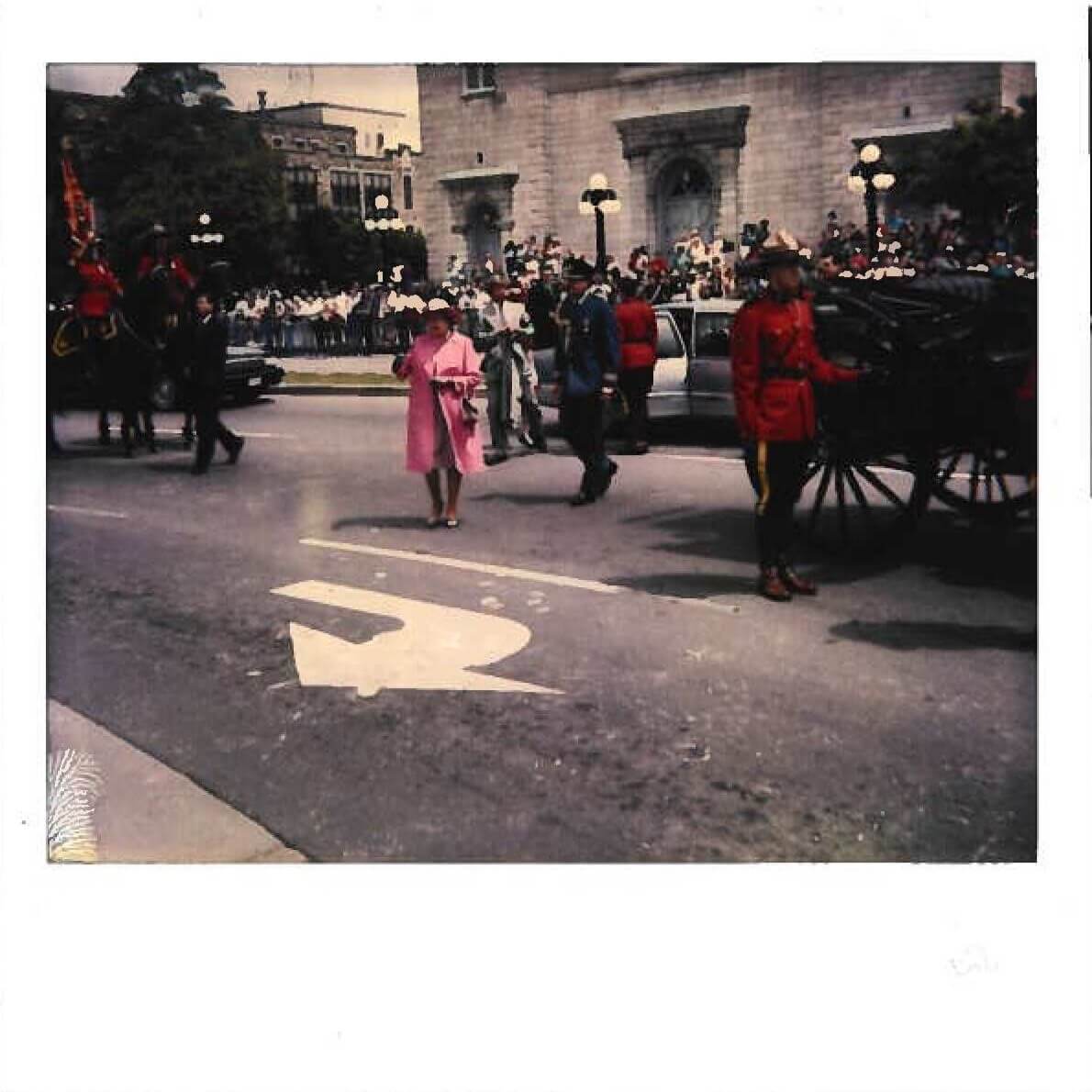
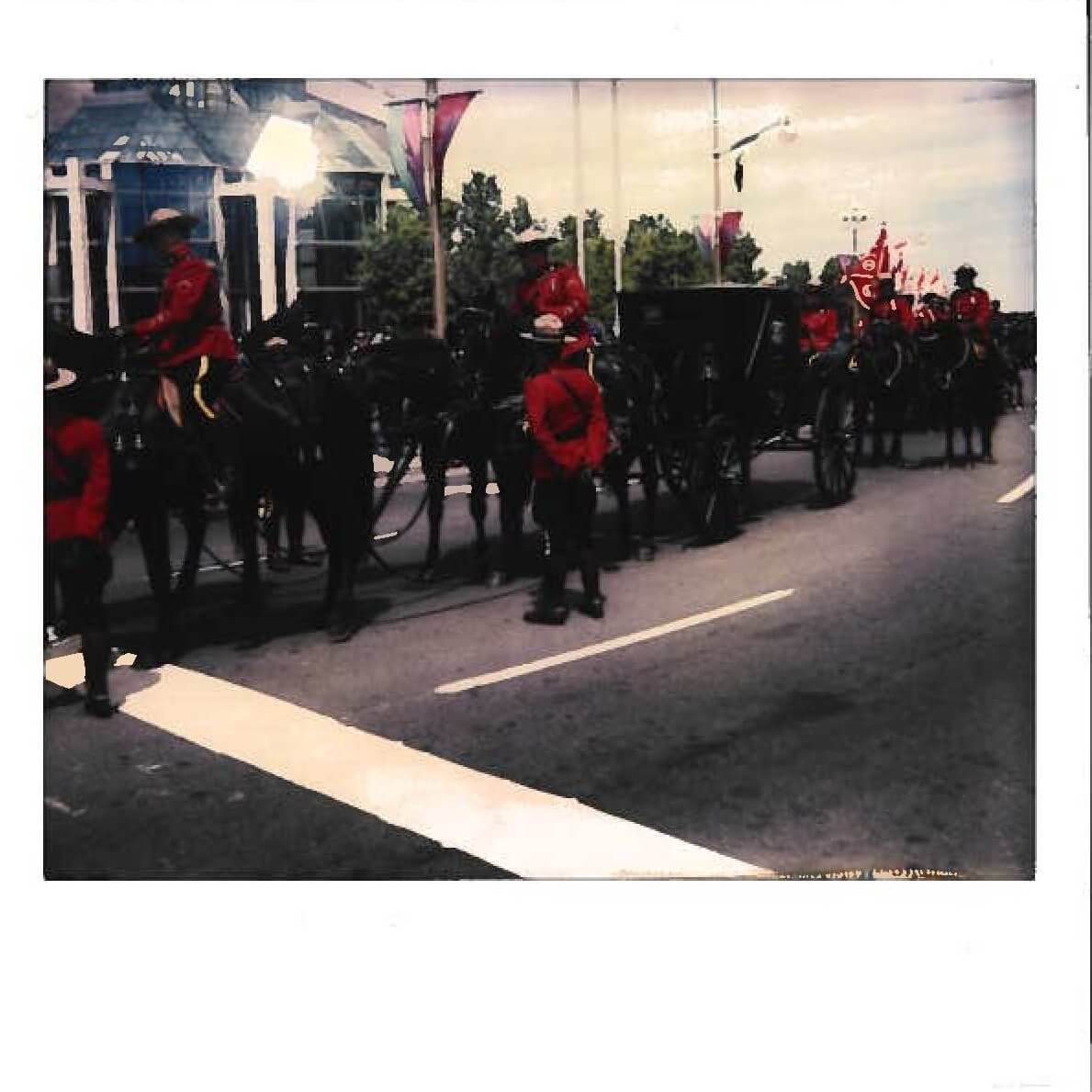
By 1987, Yves had become central to strengthening the CBDC’s capabilities, vetting all nationally issued bulletins, training new technicians, recreating Improvised Explosive Devices (IEDs) for instructional use, and gathering intelligence from around the world to keep Canadian technicians ahead of emerging threats. He also supported high‑profile operations, including royal visits by Queen Elizabeth II, Prince Philip, and the Governor General, meticulously searching venues for explosives.


Bomb school itself was housed in an unremarkable old band building on the CPC campus, but the experience left a lasting mark.
“Bomb school changed how you thought about everything,” Yves said. The training didn’t just teach technical skills, it rewired how Members approached risk, patience, and decision-making. Everyday objects, ordinary environments—nothing felt casual anymore.
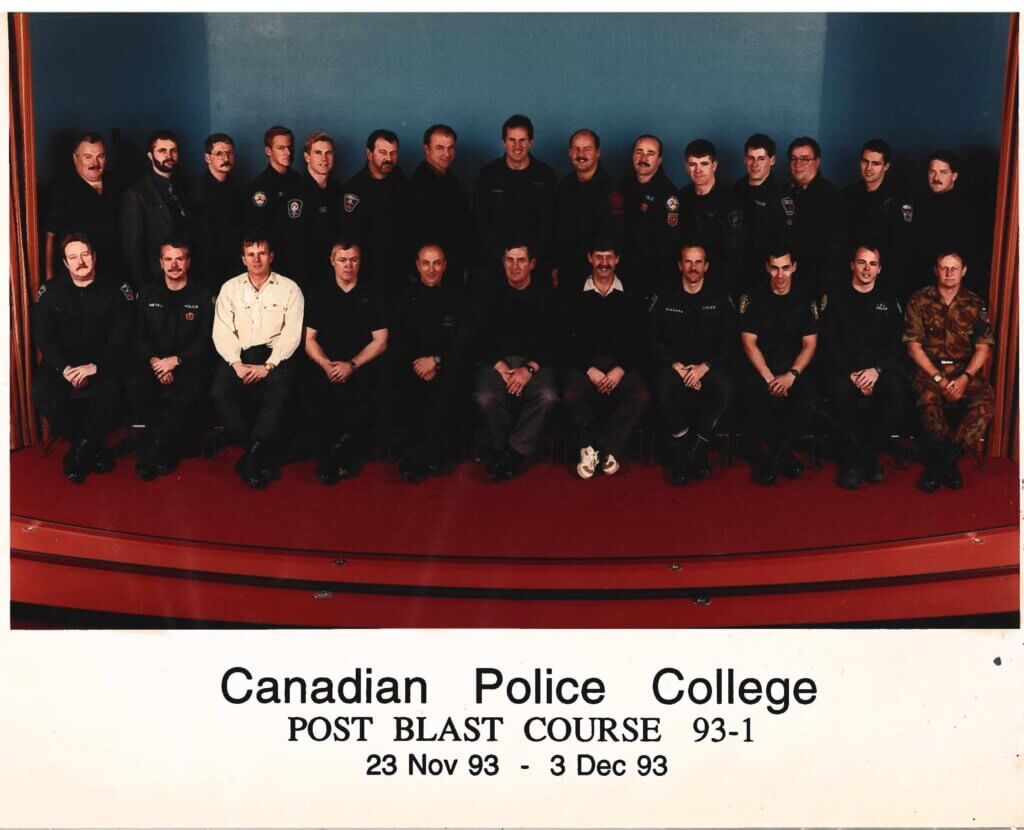
Yet despite the intensity, Yves remembers the camaraderie. Shared meals, quiet jokes, and the gallows humour unique to high-stakes professions helped them endure.
“We worked hard,” he laughed, “but we also kept things light. Bomb techs have a certain sense of humour… it’s how you get through the pressure.”
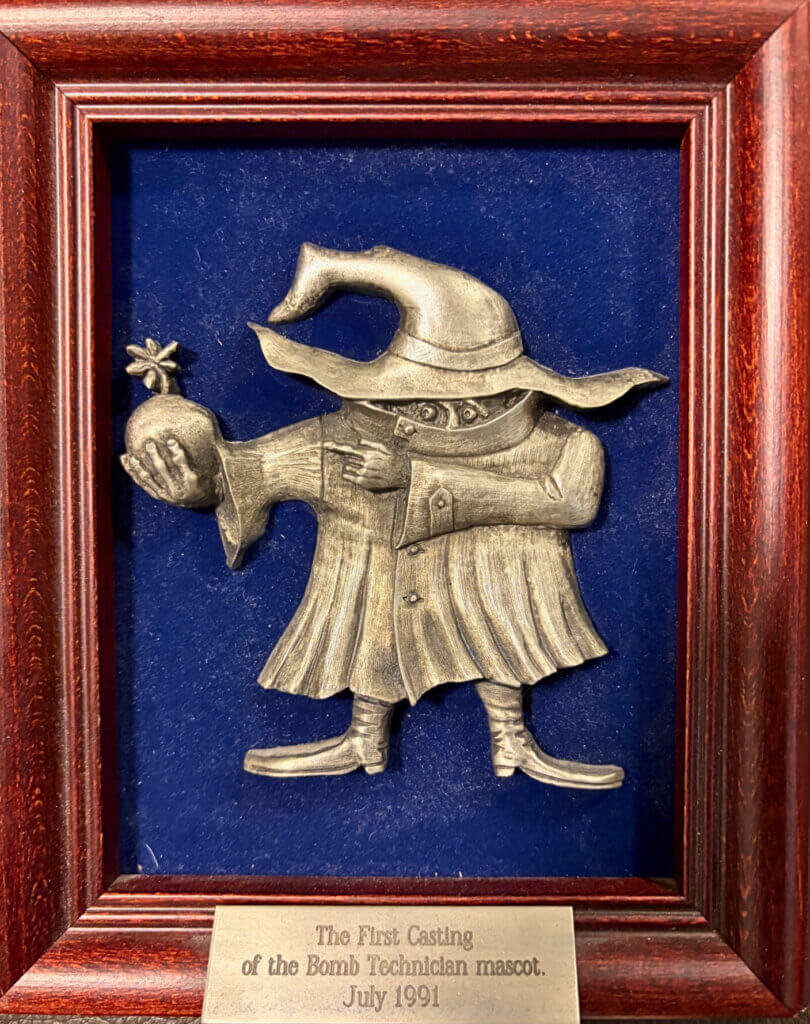
This pewter plaque was designed by E. Kew of Borden, Ontario and represents the officially registered mascot of all Canadian Police and Military explosives technicians, protected under copyright since 1982. Each plaque was individually numbered and recorded by the Canadian Bomb Data Centre. The mascot draws its inspiration from Guy Fawkes, whose 1605 “Gunpowder Plot” made him one of history’s earliest known criminal users of explosives.
From training rooms to tarmacs and secure venues, Yves’ career reinforced a core truth: explosives disposal never exists in isolation. It intersects with aviation security, protective policing, major events, and public confidence. What the RCMP was building was not just technical capability, but a culture grounded in discipline, adaptability, and trust.
—
What began as close, dangerous work with limited tools gradually evolved into a specialized discipline defined by patience, judgment, and trust.
In Part 2, we follow that evolution through decades of technological change—and through the career of a bomb technician who led by a single, unwavering principle: everyone goes home.