

For many Canadians, hockey is more than a sport. It’s a shared spirit of dedication, sacrifice, and teamwork. During the 2026 Olympic Winter Games (which are ongoing at the time of publication), that connection only deepens as we watch athletes represent Canada on the world stage after years of preparation that often go unseen.
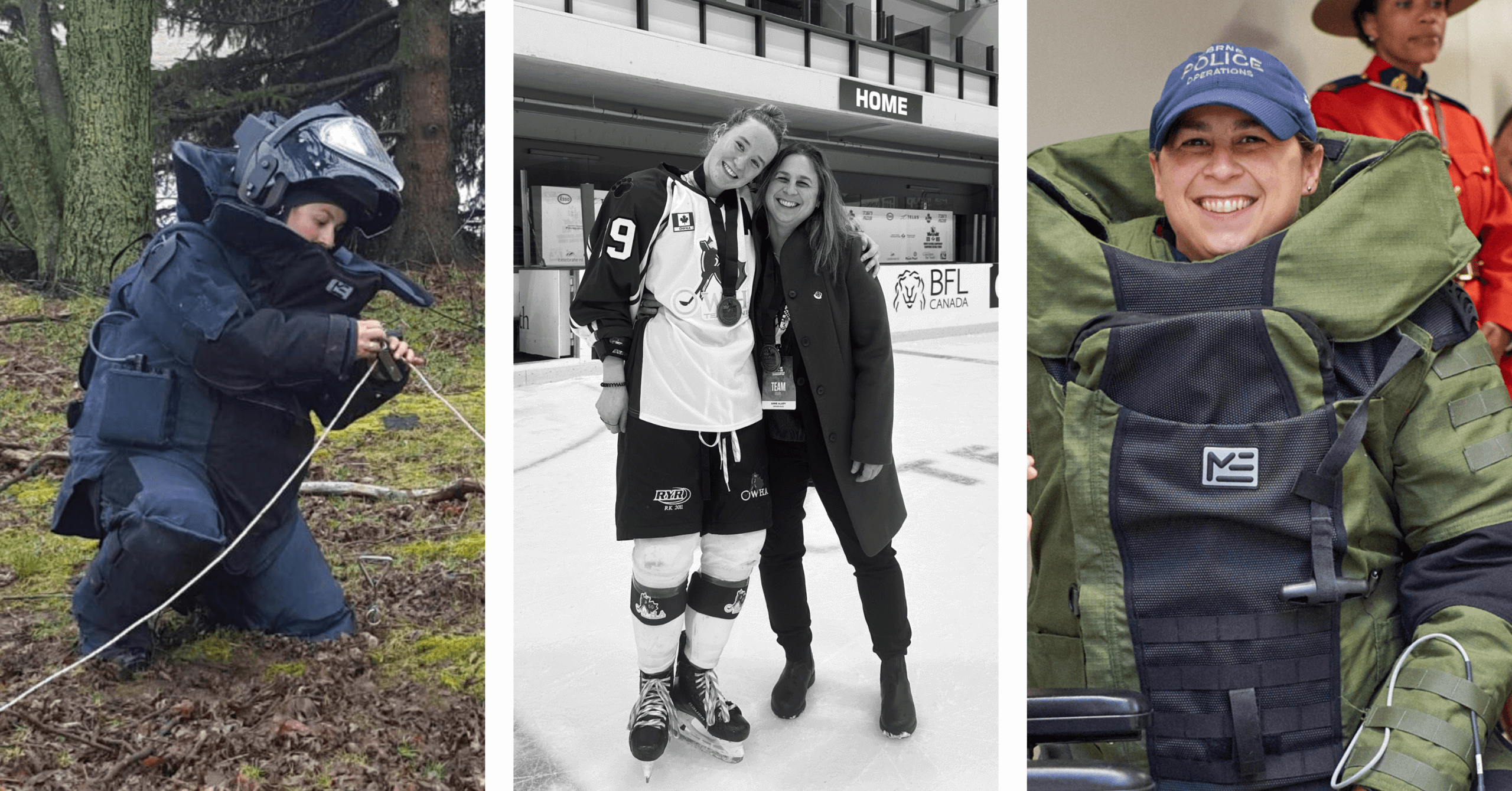
That same steady commitment is something Anne Alary, an RCMP Staff Sergeant, understands well.
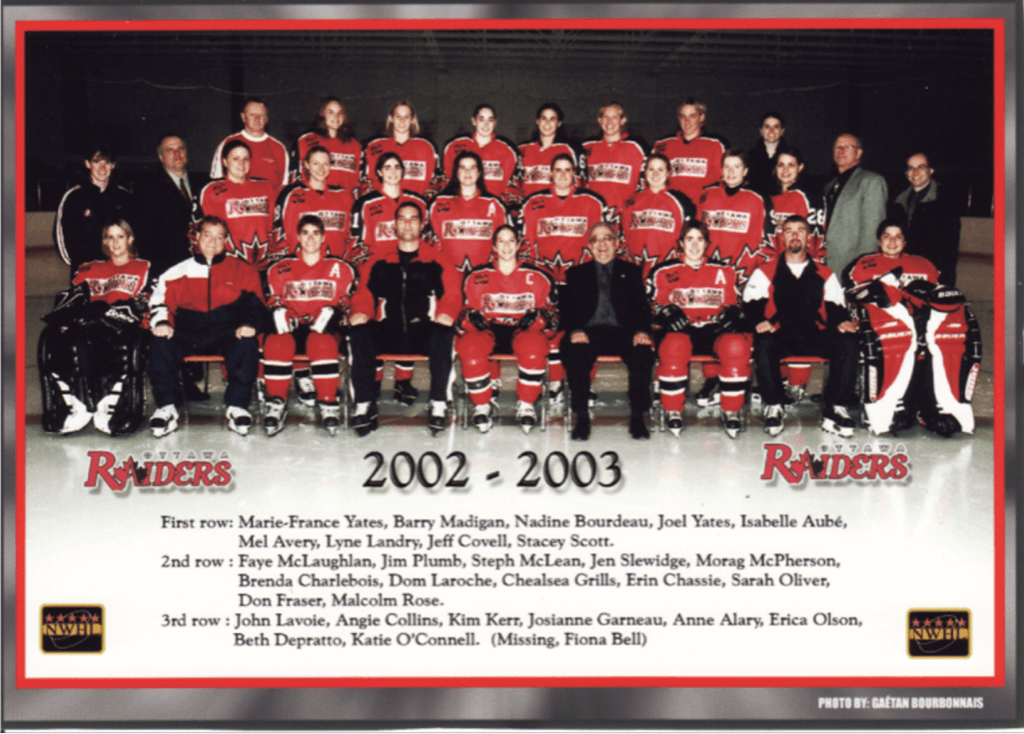
Before becoming the Non-Commissioned Officer in Charge of National Headquarters Explosives Disposal Unit and the Policy Centre in Ottawa, Anne was a high-performance hockey player, competing with the Ottawa Raiders in the National Women’s Hockey League.
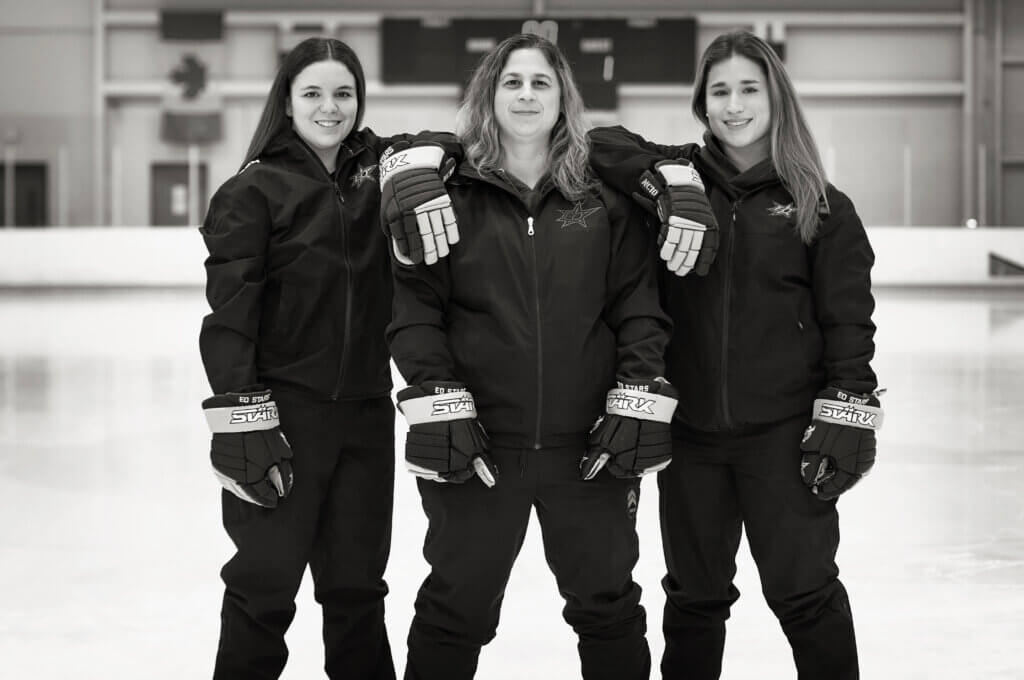
Today, she also serves as a U18AA Head Coach with the East Ottawa Stars and was recently announced as the new U22 Elite AA Assistant Coach with the Nepean Wildcats—developing the next generation of athletes while leading behind the scenes in one of the RCMP’s most specialized and readiness-focused environments.
Though the settings may differ, the mindset, skills, and dedication between being a professional athlete and a police officer are strikingly similar.
Built on the Ice
Anne’s connection to sport started early. Growing up in a family deeply involved in athletics, she was constantly active—playing outside, skating on outdoor rinks, biking, and trying everything from basketball to ringette. But hockey was the constant.
“Competing at an elite level taught me discipline, focus, and resiliency,” she says. “There are personal performance expectations, but also the responsibility of being a reliable teammate.”
Playing against and alongside the best also meant constant pressure: competing for ice time, managing injuries, navigating team dynamics, and pushing through adversity. Those experiences shaped not only the athlete Anne became, but the policing leader she is today.
“Staying calm in high-stress situations allows you to think clearly and make decisions based on experience,” she explains. This lesson translates seamlessly from the rink to policing.
Trust, Accountability, and Team Culture
At the heart of both hockey and policing is trust.
For Anne, understanding the accountability that comes with building trust isn’t just personal.
“When one person isn’t accountable, it affects the whole group,” she says. “You need to trust that everyone is working toward the same objective and will be there to support one another.”
As a coach, Anne prioritizes culture above all else. Creating clear expectations, setting high standards, and fostering accountability while ensuring athletes feel safe to learn and fail are foundational.
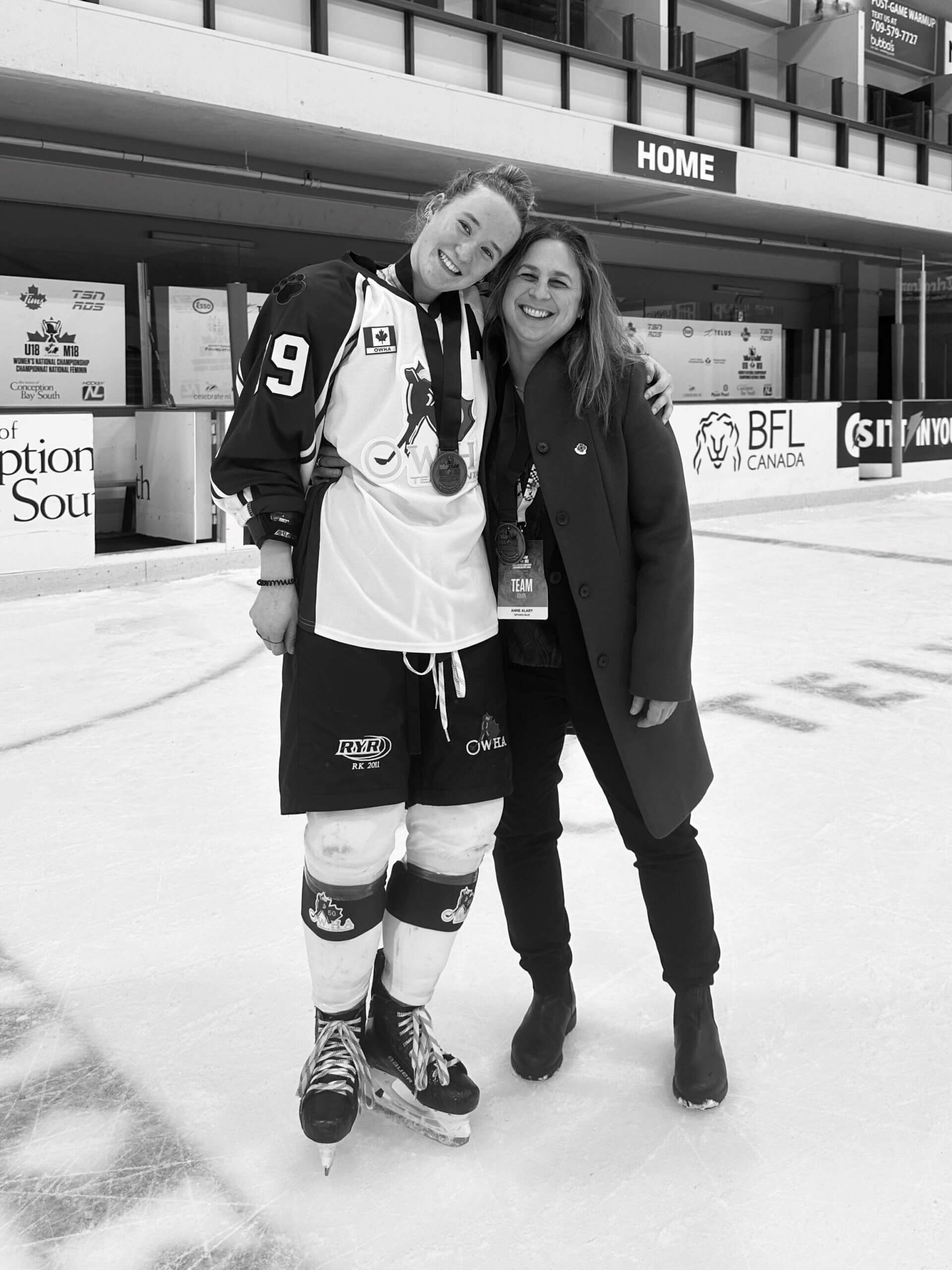
“When people operate in a positive environment without fear, they thrive,” she says.
It’s an approach she carries into her RCMP leadership, where mentorship, growth, and open communication are just as critical as technical skills.
Long Before the Puck Drops
Anne’s current RCMP role places her largely behind the scenes, but its impact is national in scope.
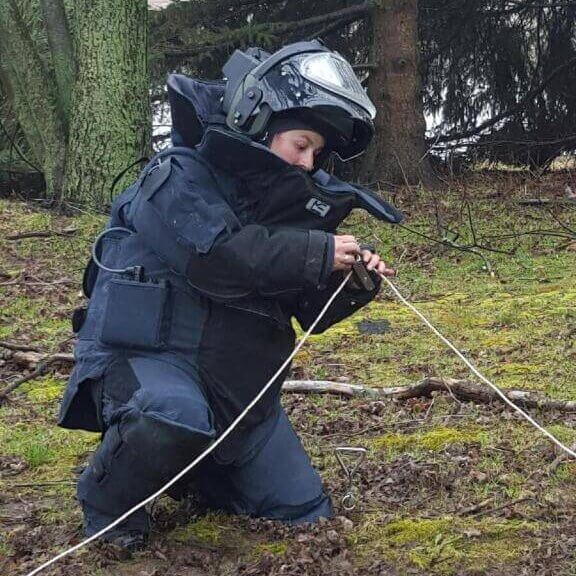
Having served on the front lines across Canada—from rural Saskatchewan and Indigenous policing in Pelican Narrows, to Parliament Hill, the RCMP’s Musical Ride, and specialized operations—she brings a deep operational understanding to her work at National Headquarters Explosive Disposal Unit (NHQ EDU) and the Policy Centre.
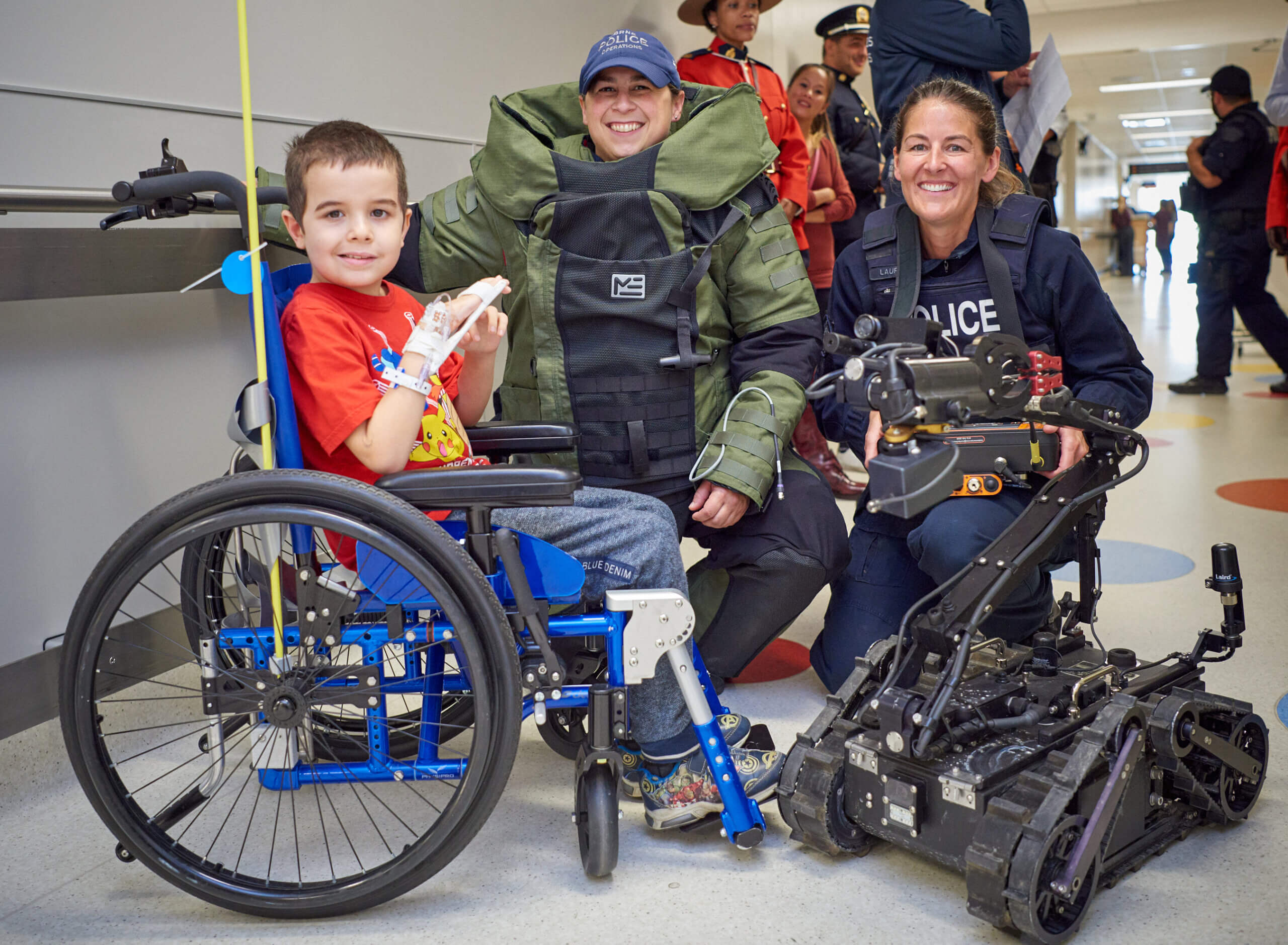
“Our role is about understanding what EDU teams across the country need and ensuring they have the equipment, policies, and procedures to do their jobs safely and effectively,” she explains.
The parallel to sport is clear: success on game day depends on habits built long before the puck drops.
“Habit setting is everything,” Anne says. “What you practise everyday transfers directly when it matters most.”
For EDU Members, consistency in training across a wide range of specialized skills ensures they are always ready to respond, whether during a major international event or an unexpected call for service.
What the Public Doesn’t See
When Canadians tune into the Olympics or Paralympics, they see moments that culminate from years of preparation. The same is true of policing major events.
“The public doesn’t always see the quiet expertise working in the background,” Anne says. “But Members maintain their skills 365 days a year so that, when something critical happens, they’re ready.”
That preparedness—preventative, precise, and often invisible—is what allows major events to unfold safely and seamlessly, whether it’s the Olympic Games, FIFA tournaments, or national celebrations.
Curious about how RCMP Members support major events behind-the-scenes? Check out NPF President & CEO Brian Sauvé’s story about policing during the 2010 Olympic Winter Games in Whistler, BC.
National Pride, Shared Values
As Canada competes in the Olympic Winter Games Milano Cortina 2026, Anne sees a powerful connection between athletes and RCMP Members: dedication, teamwork, and service cannot exist in isolation.
“In a team environment, you can’t have one without the other,” she says.
She’s watching the Games closely (especially hockey) and cheering on Team Canada alongside millions of others.
“Olympic years are the best,” she adds. “So many athletes juggle training with work, family, and life, yet still represent our country with pride. That dedication is incredible.”
Whether on the ice or behind the wheel of a police car, the commitment to excellence looks remarkably the same.
And like the best teams, it’s built long before the spotlight ever turns on.
Go Canada Go!